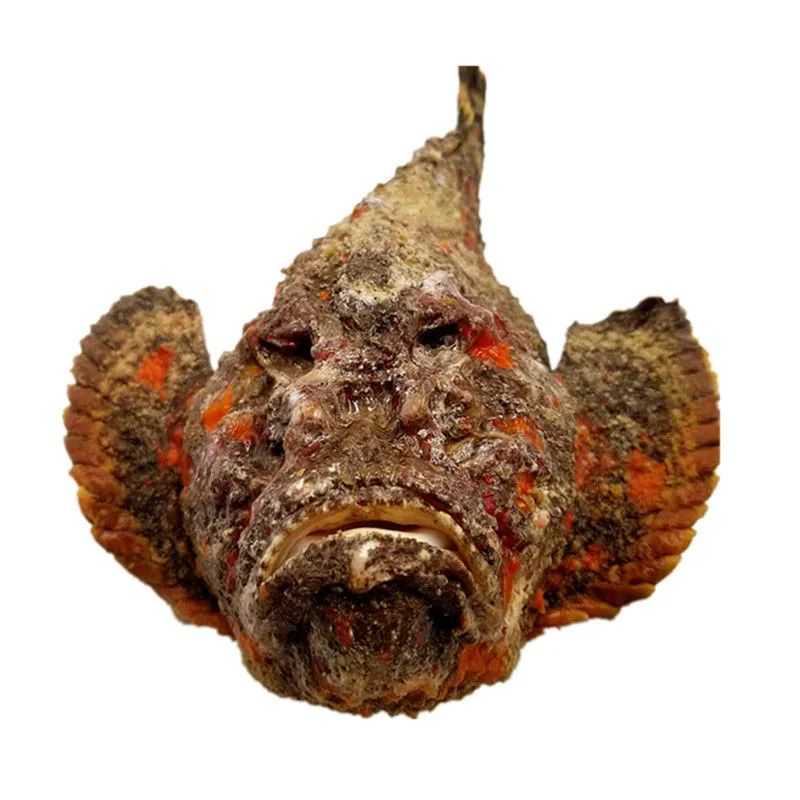
Venomous Predators of the Seas: The Stonefish and the LionfishVenomous Predators of the Seas: The Stonefish and the Lionfish
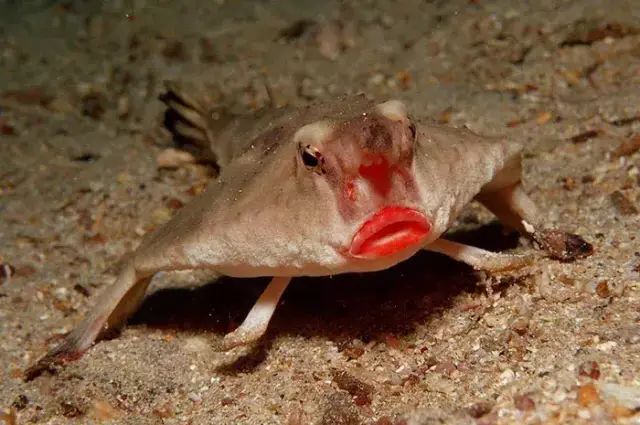
The Galapagos Walking Fish: A Species That 'Walks' on the Ocean Floor Instead of SwimmingThe Galapagos Walking Fish: A Species That 'Walks' on the Ocean Floor Instead of Swimming
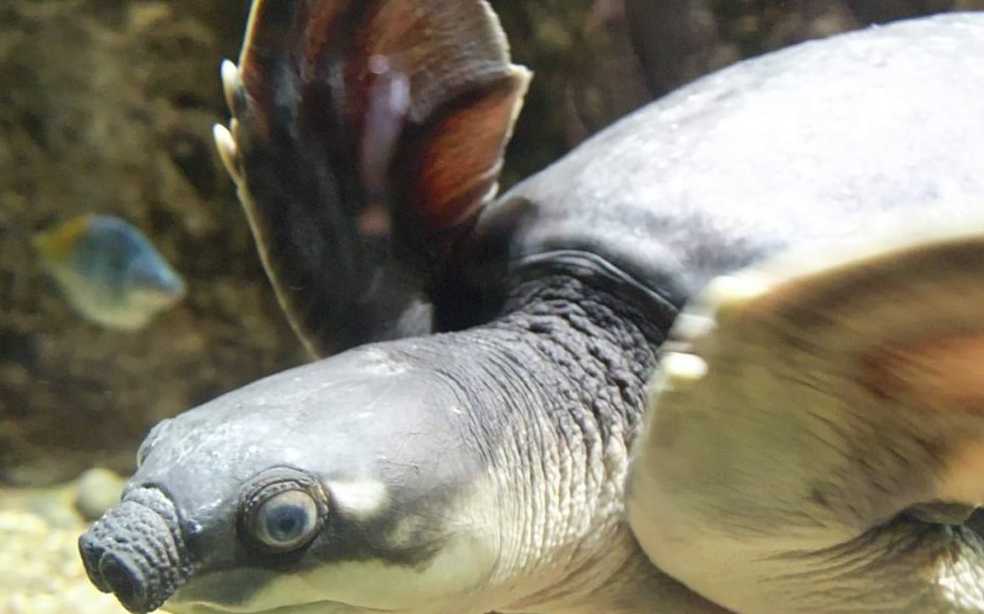
The Pig-Nosed Turtle: A Unique Reptile Named for Its Snout, Easy to Keep but Prone to IllnessThe Pig-Nosed Turtle: A Unique Reptile Named for Its Snout, Easy to Keep but Prone to Illness
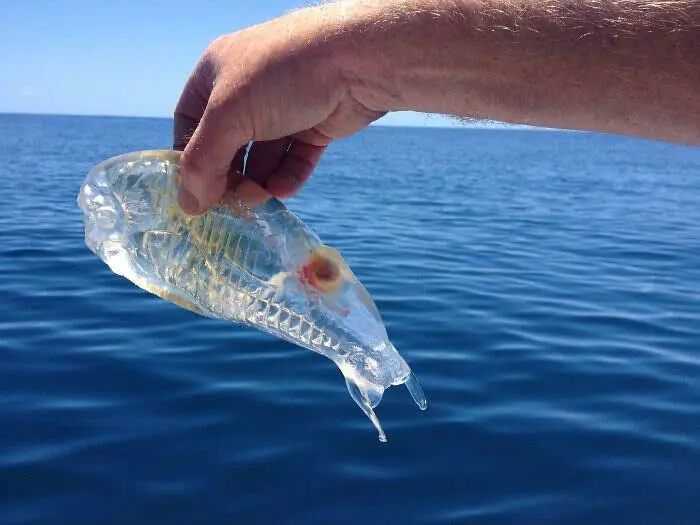
The Transparent "Sea Salp": Gelatinous Marvel Thriving in Frigid Southern OceansThe Transparent "Sea Salp": Gelatinous Marvel Thriving in Frigid Southern Oceans
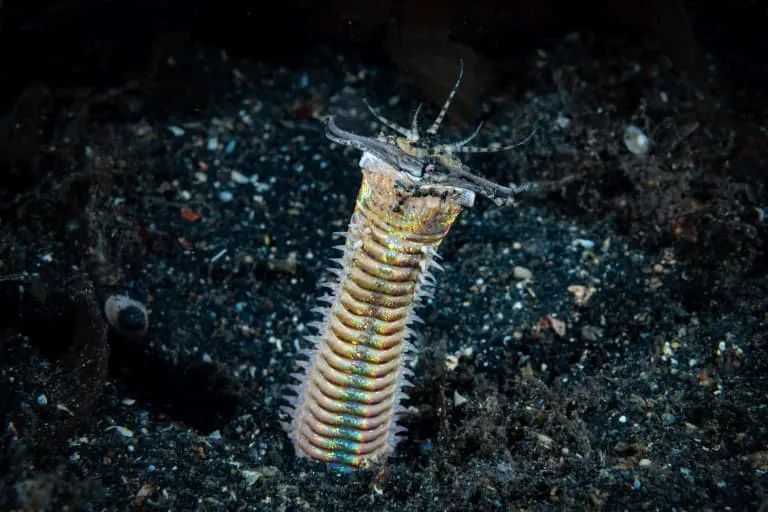
The Bobbit Worm: Nature’s Terrifying Underwater Predator Straight Out of a Sci-Fi MovieThe Bobbit Worm: Nature’s Terrifying Underwater Predator Straight Out of a Sci-Fi MovieOften described as the stuff of nightmares, the Bobbit worm (Eunice aphroditois) is a marine polychaete worm that has earned its reputation as one of the ocean’s most otherworldly creatures. With a body that can stretch up to 3 meters in length, this subterranean predator lurks in tropical and subtropical seafloors, blending scientific fascination with sheer terror.
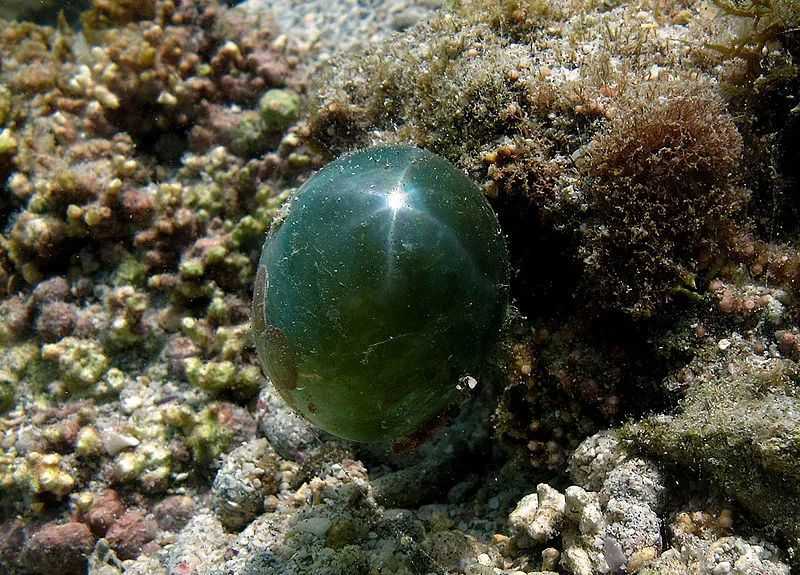
The Bubble Alga: Nature’s Giant Single-Celled Marvel Floating in Tropical SeasThe Bubble Alga: Nature’s Giant Single-Celled Marvel Floating in Tropical SeasKnown as the "bubble alga" or "sailor’s eyeball," Valonia ventricosa is a remarkable marine alga and one of the largest single-celled organisms on Earth. Thriving in tropical and subtropical oceans, this spherical green alga has fascinated biologists for its unique structure—each "bubble" is a single cell that can grow up to 5 centimeters in diameter, defying conventional notions of cellular size.
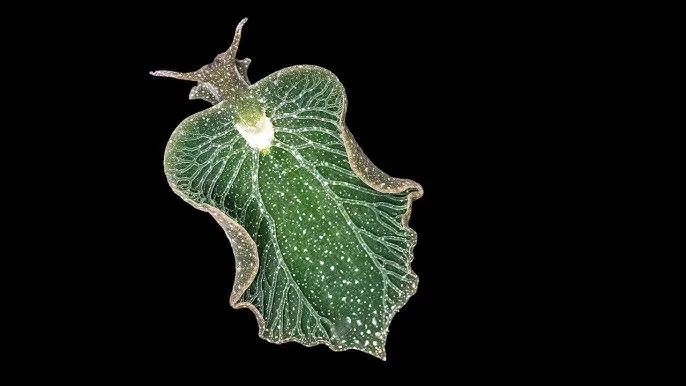
The Leaf Sheep Slug: Nature’s Photosynthetic Marvel That 'Steals' Chloroplasts to SurviveThe Leaf Sheep Slug: Nature’s Photosynthetic Marvel That 'Steals' Chloroplasts to SurviveThe leaf sheep slug (Elysia chlorotica), a marine gastropod, defies biological norms by hijacking chloroplasts from algae and using them for photosynthesis—allowing it to go 9 to 10 months without eating. This extraordinary ability, known as kleptoplasty, has made it a celebrity in the scientific world, blurring the line between animal and plant.
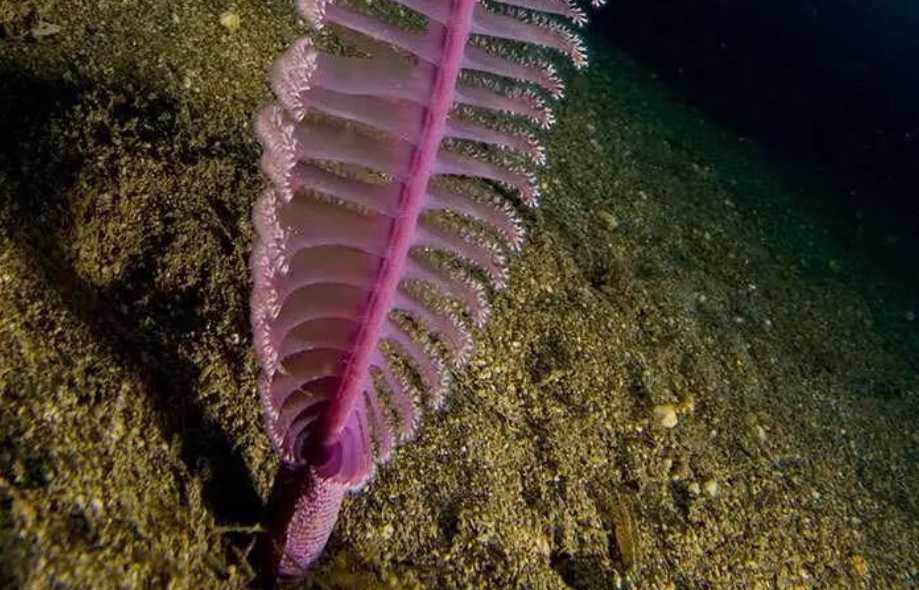
The Sea Pen: Ocean’s Feathery Colonial Wonder Filtering Plankton from the DepthsThe Sea Pen: Ocean’s Feathery Colonial Wonder Filtering Plankton from the DepthsRecognized for its striking resemblance to a quill pen, the sea pen is a colonial marine invertebrate that thrives in shallow to deep ocean waters. Composed of hundreds to thousands of polyps, these colonial organisms form feather-like structures, using their unique anatomy to capture plankton and thrive in diverse marine environments.
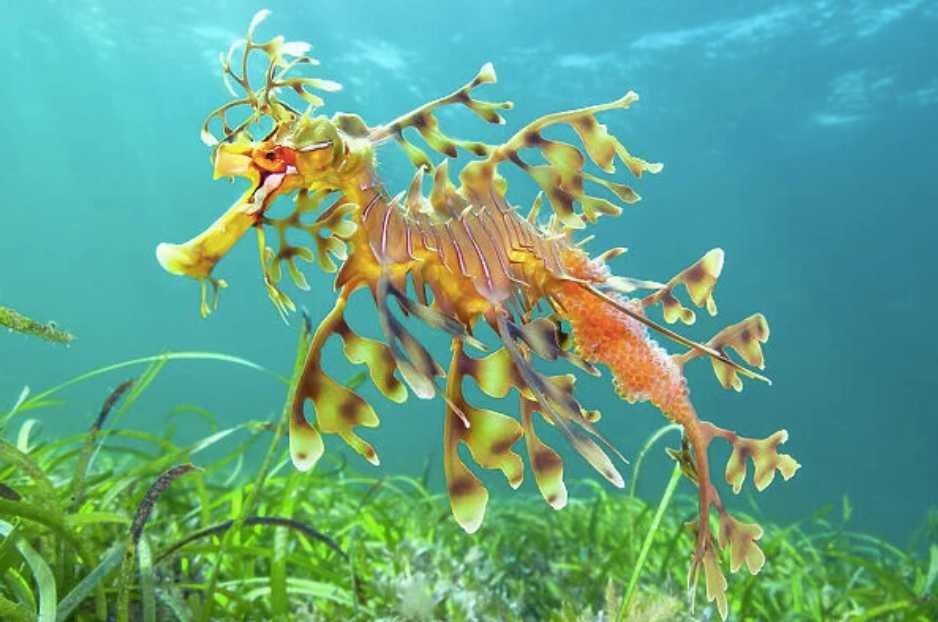
The Leafy Sea Dragon: Master of Marine Camouflage from Australia’s Coastal WatersThe Leafy Sea Dragon: Master of Marine Camouflage from Australia’s Coastal WatersBelonging to the genus Phycodurus within the seadragon family (Syngnathidae), the leafy sea dragon is a remarkable fish adapted to life along the southern and western coasts of Australia. Recognized for its elaborate leaf-like appendages, this species has evolved one of nature’s most extraordinary camouflage strategies, blending seamlessly with oceanic vegetation.
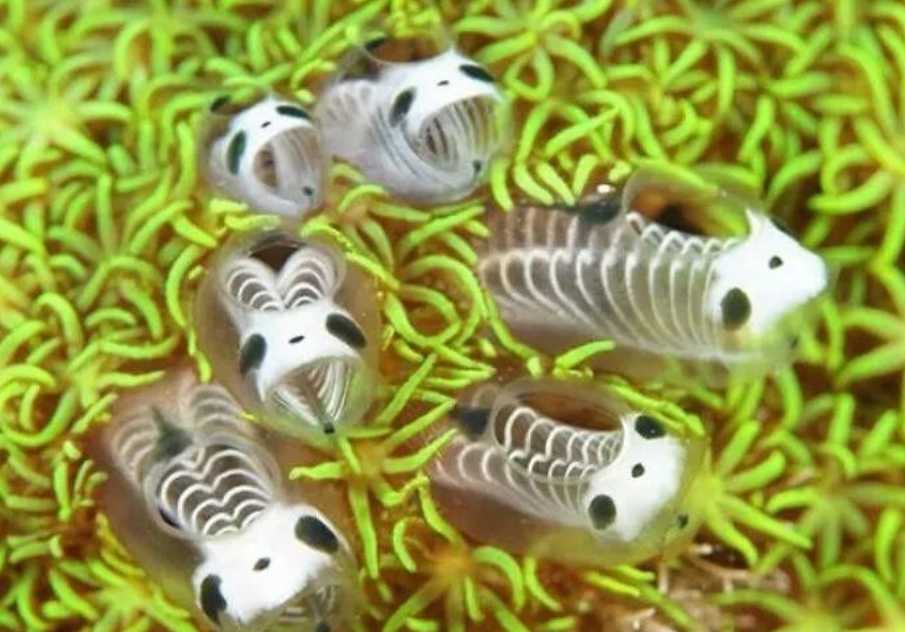
The Skeleton Panda Sea Squirt: A Quirky Marine MarvelThe Skeleton Panda Sea Squirt: A Quirky Marine MarvelThe skeleton panda sea squirt (Clavelina ossipandae) is a newly discovered marine species that has taken the scientific world by storm.
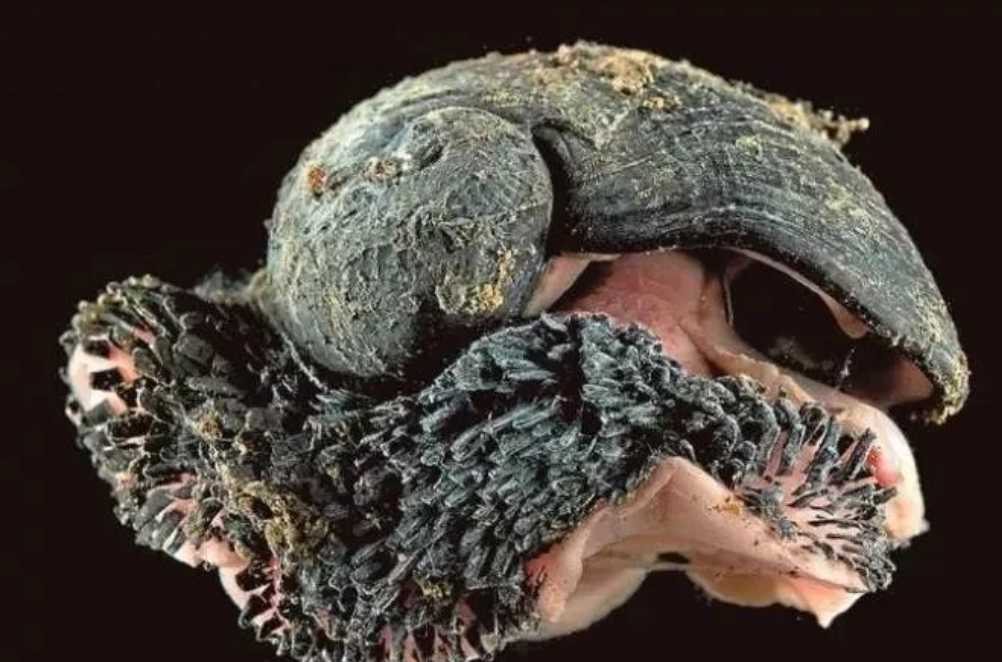
The Armor-Plated Scaly-Foot Snail: Deep-Sea Marvel of the Indian OceanThe Armor-Plated Scaly-Foot Snail: Deep-Sea Marvel of the Indian OceanLiving near hydrothermal vents in the Indian Ocean, the scaly-foot snail (Chrysomallon squamiferum) defies survival norms with its iron-clad armor and ability to withstand 350°C temperatures. This extraordinary gastropod, discovered in 2001 near the Kairei hydrothermal field, boasts a three-layered shell infused with iron sulfides, making it one of the few animals on Earth to incorporate metal into its exoskeleton. Its survival hinges on a tiny habitat—just two football fields in size—where it thrives in a world devoid of sunlight, relying on bacterial symbiosis for nutrition.