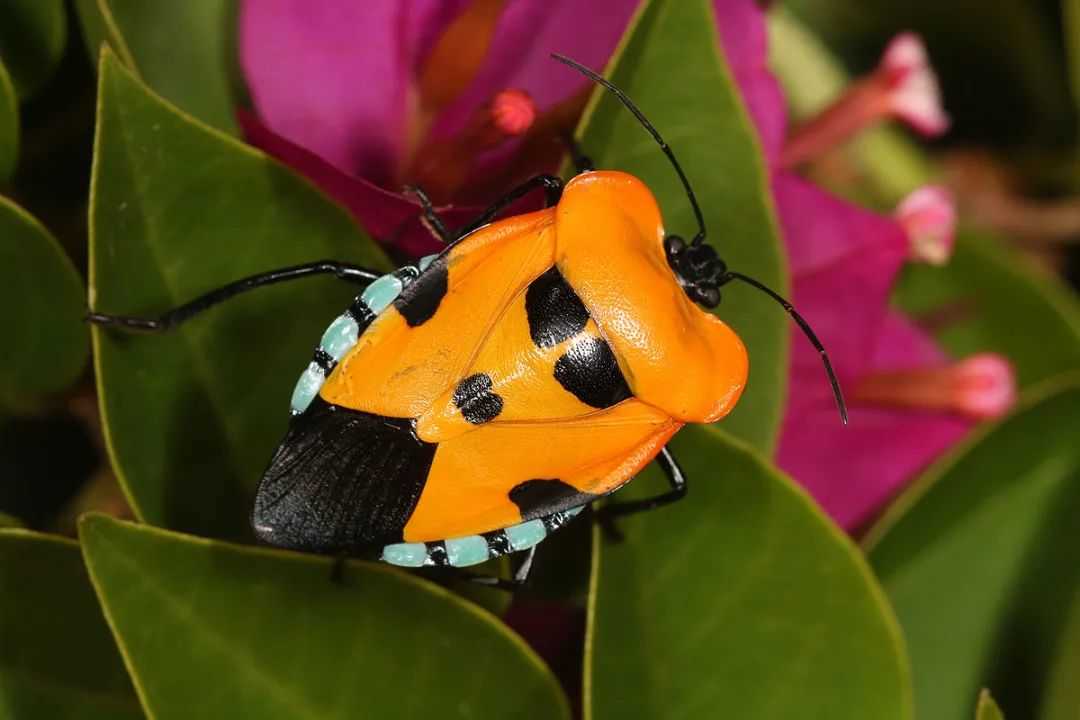
Hemiptera: The Diverse 'True Bugs' Shaping Ecosystems and Human InteractionsHemiptera: The Diverse 'True Bugs' Shaping Ecosystems and Human Interactions
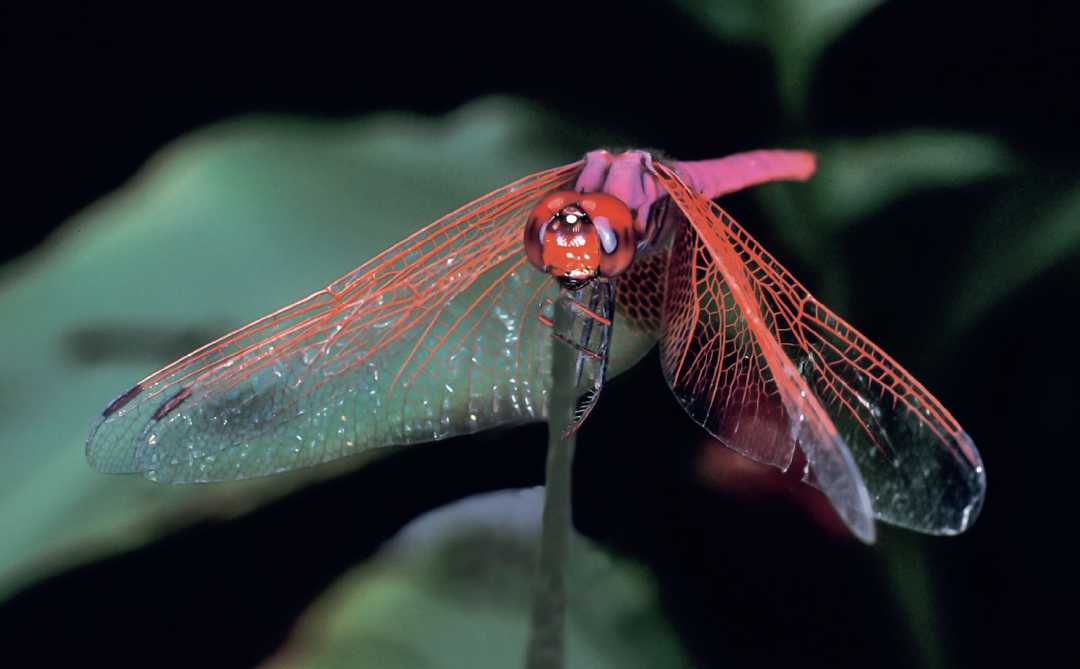
Pink Dragonfly Defies Odds: The Vibrant Trithemis aurora Shines in Nature's PalettePink Dragonfly Defies Odds: The Vibrant Trithemis aurora Shines in Nature's Palette
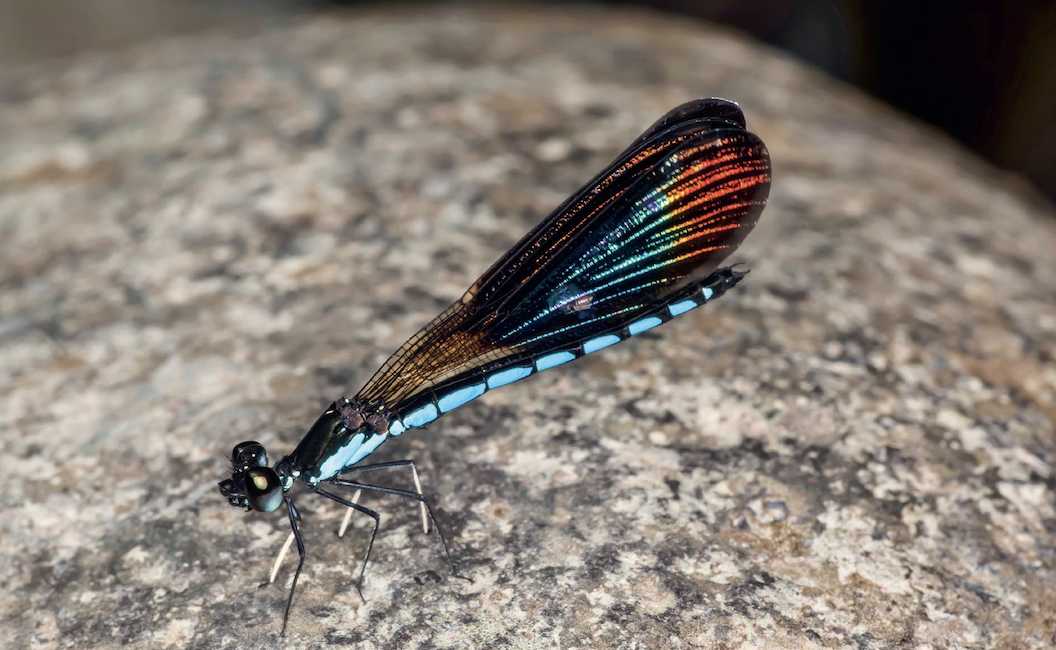
Metallic-Winged Rhinocypha sp. from Indonesian Streams Dazzles with Optical MagicMetallic-Winged Rhinocypha sp. from Indonesian Streams Dazzles with Optical Magic
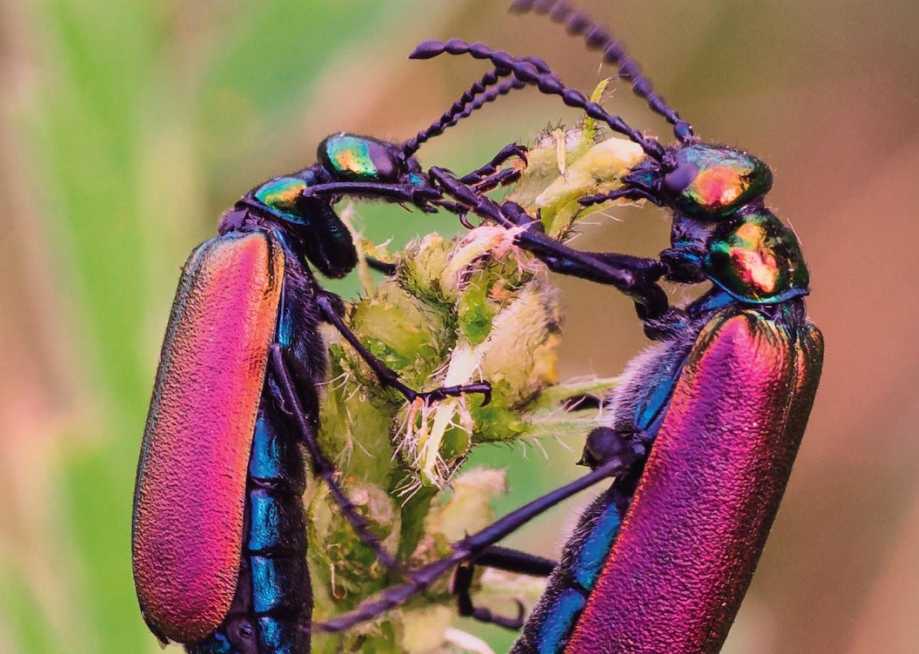
Lytta nuttalli: North America's Most Dazzling Beetle Harbors a Toxic SecretLytta nuttalli: North America's Most Dazzling Beetle Harbors a Toxic Secret
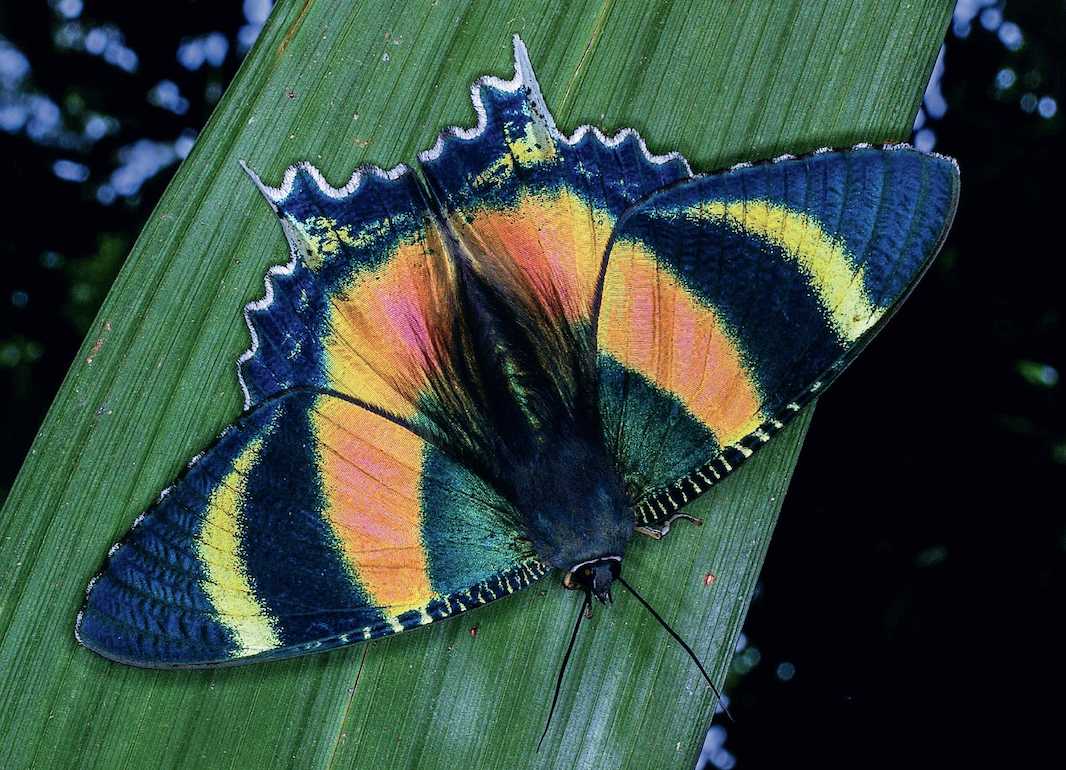
Alcides metaurus: Australia's Butterfly-Mimicking Moth Swarms Tropical RainforestsAlcides metaurus: Australia's Butterfly-Mimicking Moth Swarms Tropical RainforestsHailing from the tropical regions of eastern Australia, the Alcides metaurus—a striking moth resembling a butterfly—captivates with its vibrant appearance. With wingspans mirroring lepidopteran elegance, this species blurs the line between moths and butterflies, featuring iridescent hues and delicate patterns that mimic its diurnal counterparts. Its resemblance is so profound that even entomologists sometimes do a double-take.
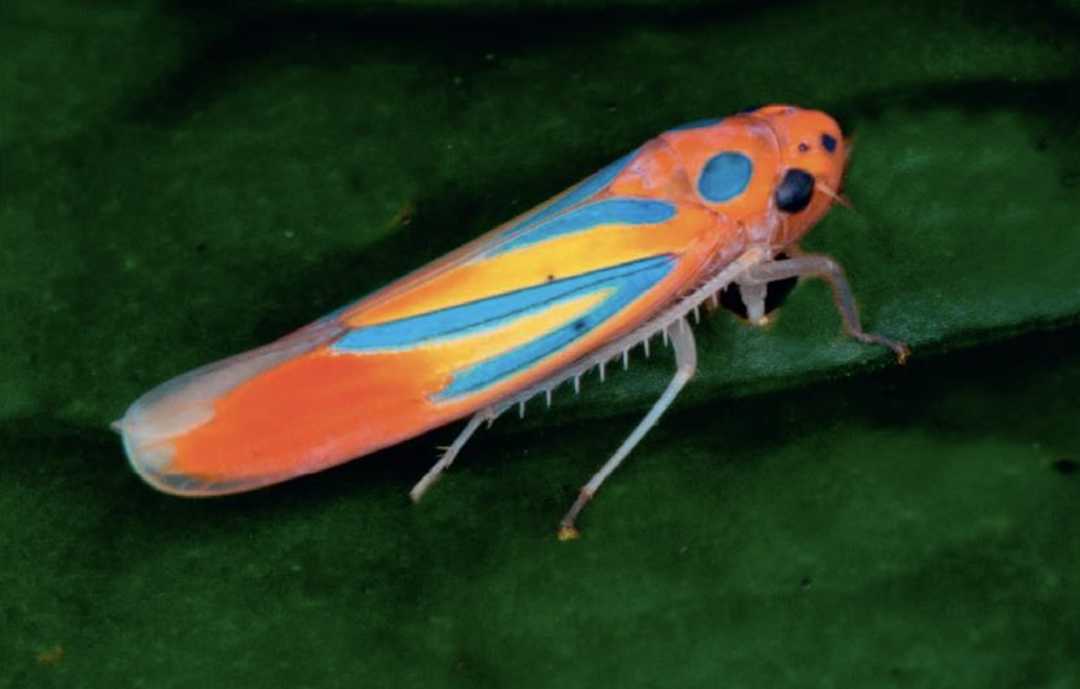
Madagascar's Vibrant Leafhopper: A Living Canvas of Blue, Yellow, and OrangeMadagascar's Vibrant Leafhopper: A Living Canvas of Blue, Yellow, and OrangeIn the lush ecosystems of Madagascar, a striking leafhopper species stands out as a masterpiece of natural coloration. Draped in bold hues of blue, yellow, and orange, this tiny insect transforms the forest understory into a living palette, its exoskeleton shimmering with the vividness of a tropical sunset. Each segment of its body seems meticulously painted, a testament to nature’s unparalleled talent for chromatic harmony.
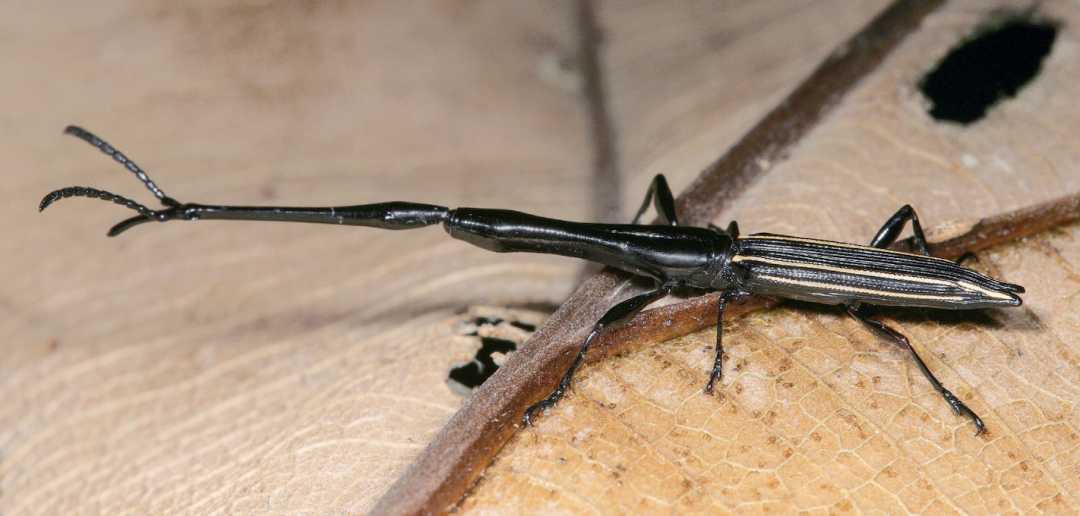
Costa Rica's Slender Weevil: The Three-Cone Beetle with a Remarkable Elongated SnoutCosta Rica's Slender Weevil: The Three-Cone Beetle with a Remarkable Elongated SnoutIn the lush rainforests of Costa Rica, the three-cone weevil (a member of the Brentidae family) stands out with its strikingly slender form, measuring 25 mm in length. Yet its most defining feature is an elongated rostrum— or "snout"—that can grow as long as its body, giving the insect a unique, almost surreal appearance. This remarkable appendage, thin and tapered, sets it apart in the diverse world of beetles.
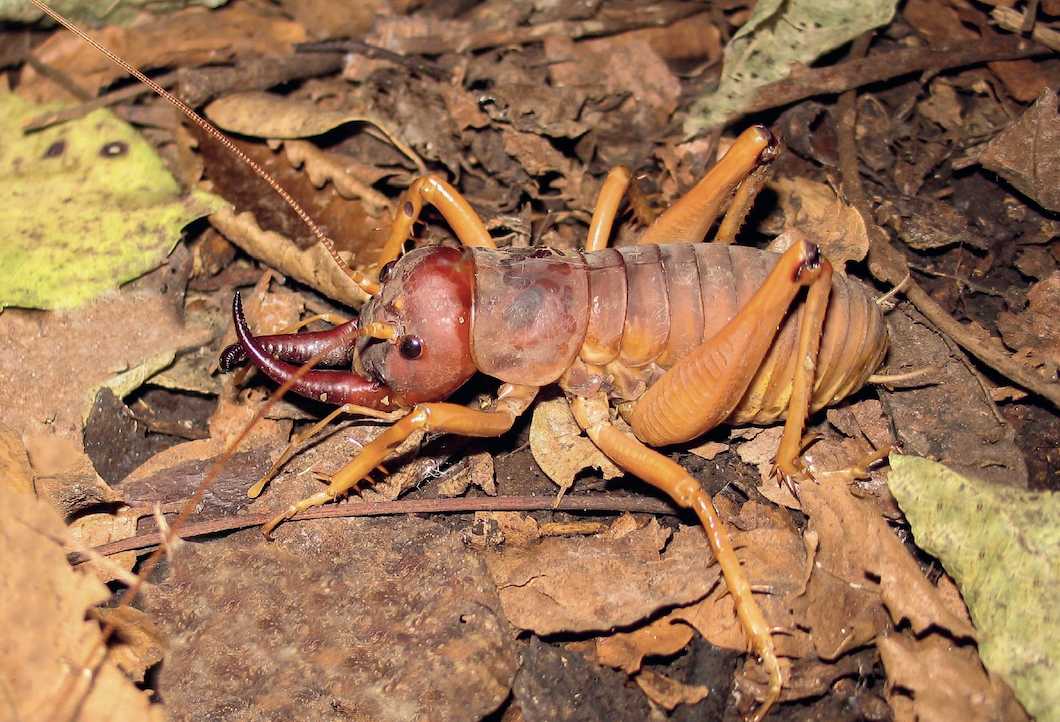
Motuweta isolata: New Zealand's Fanged Giant Weta Fights with Elaborate TusksMotuweta isolata: New Zealand's Fanged Giant Weta Fights with Elaborate TusksEndemic to New Zealand’s Mercury Islands, the Motuweta isolata, a species of giant weta, lives up to its name with a rugged, imposing appearance. The most striking feature of the male is its elongated, curved tusks—resembling miniature fangs—that evolved for ritualized combat rather than predation. Far from conventionally beautiful, its robust exoskeleton and bulky form reflect a life shaped by survival in the harsh island environment.
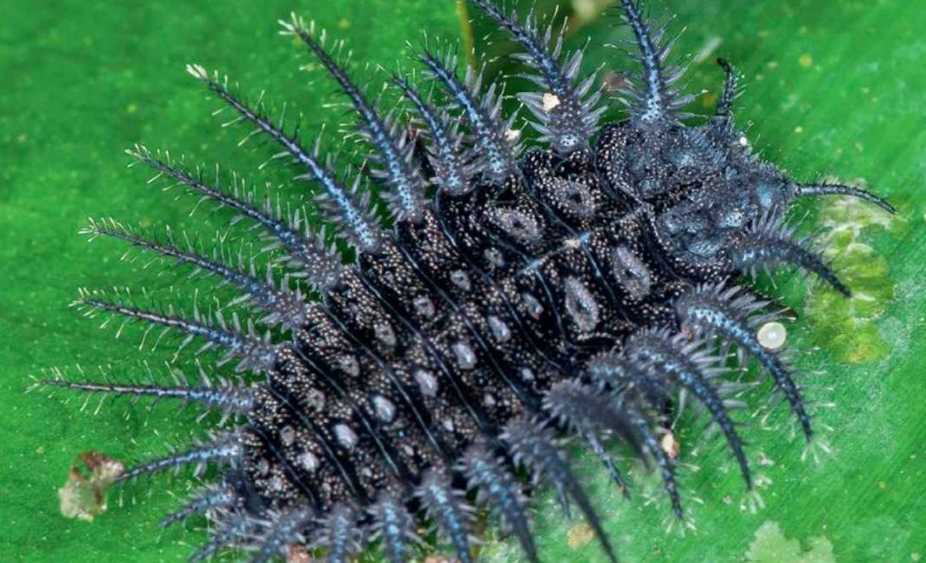
Spiky Larva of the False Ladybug Family Feeds on Fungi in Madagascar's RainforestsSpiky Larva of the False Ladybug Family Feeds on Fungi in Madagascar's RainforestsIn the lush rainforests of Madagascar, a larva covered in stiff, protruding spines catches the eye. Belonging to the false ladybug family (Endomychidae), this intriguing insect sports an armor of sharp projections, a striking adaptation that sets it apart in the tropical undergrowth. Far from its adult form’s resemblance to ladybugs, the larva’s spiky exterior serves both as protection and a unique identifier in the fungal-rich ecosystem.
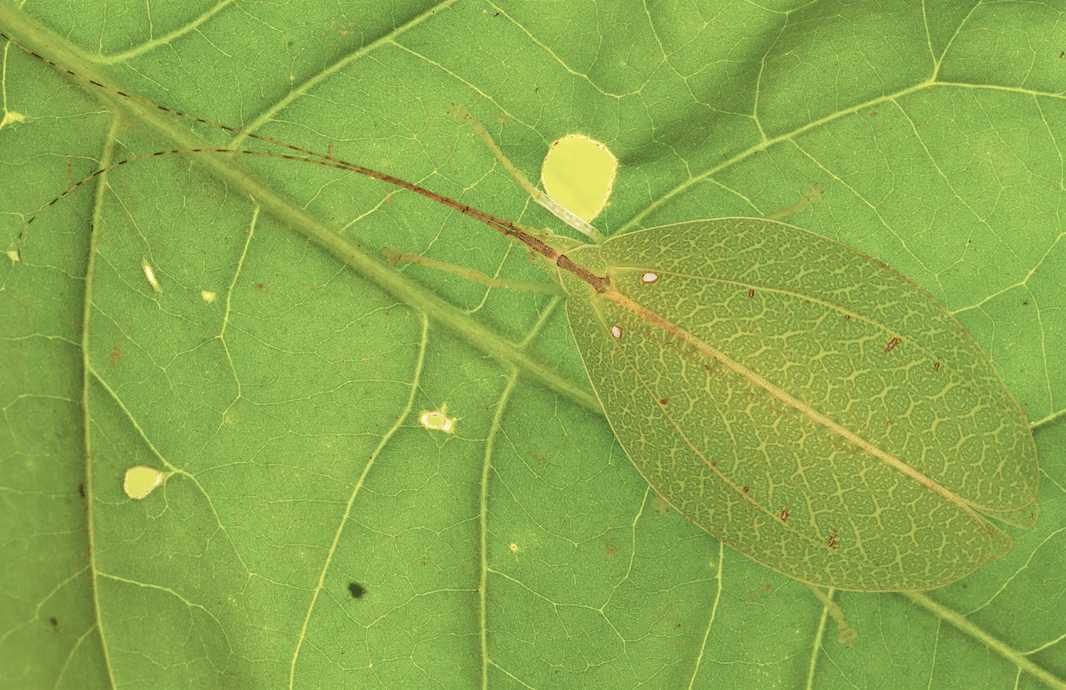
Acauloplax exigua: Mozambique's Leaf-Mimicking Katydid Blends Seamlessly with FoliageAcauloplax exigua: Mozambique's Leaf-Mimicking Katydid Blends Seamlessly with FoliageAmong the many insects that mimic leaves, the Mozambican katydid Acauloplax exigua stands out for its evolutionary mastery of camouflage. This tree-dwelling orthopteran boasts a flattened body so perfectly adapted to leaf mimicry that it vanishes against greenery, its veins and coloration mirroring the texture and hue of tropical foliage. The result is a living illusion—an insect that becomes one with its habitat at a glance.
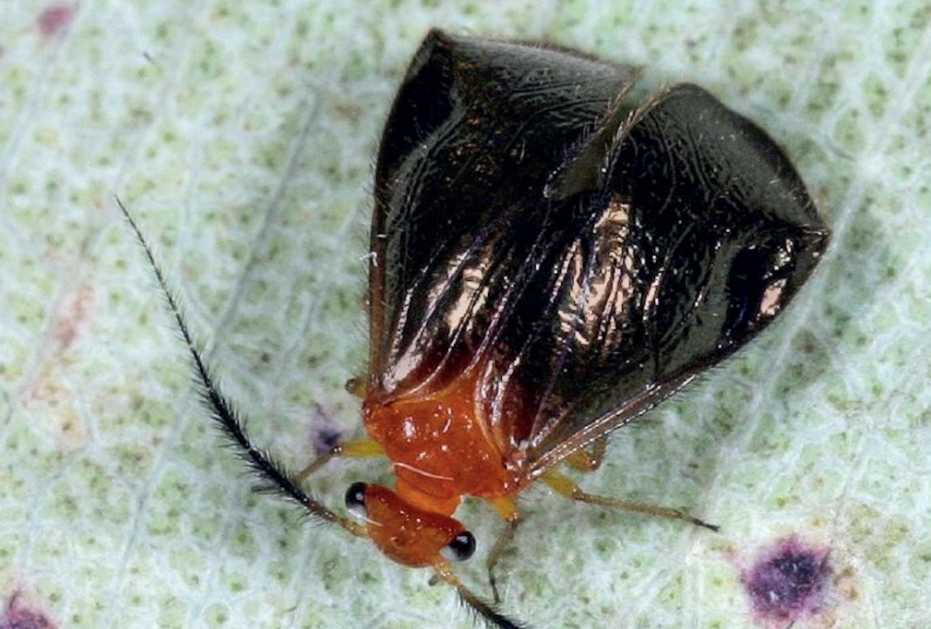
Calopsocus sp.: Australia's Stunning Lichen Fly Redefines Psocid ExpectationsCalopsocus sp.: Australia's Stunning Lichen Fly Redefines Psocid ExpectationsHailing from Australia’s eucalyptus forests, Calopsocus sp. shatters stereotypes about psocids (barklice) with its remarkable morphology. Unlike most psocids, whose wings end in sharp points, this species features wingtips that curve gently downward, creating a sleek, elegant outline. The smooth, downward bend—often paired with vibrant coloration or intricate patterns—sets it apart in the world of tiny, often-overlooked insects.
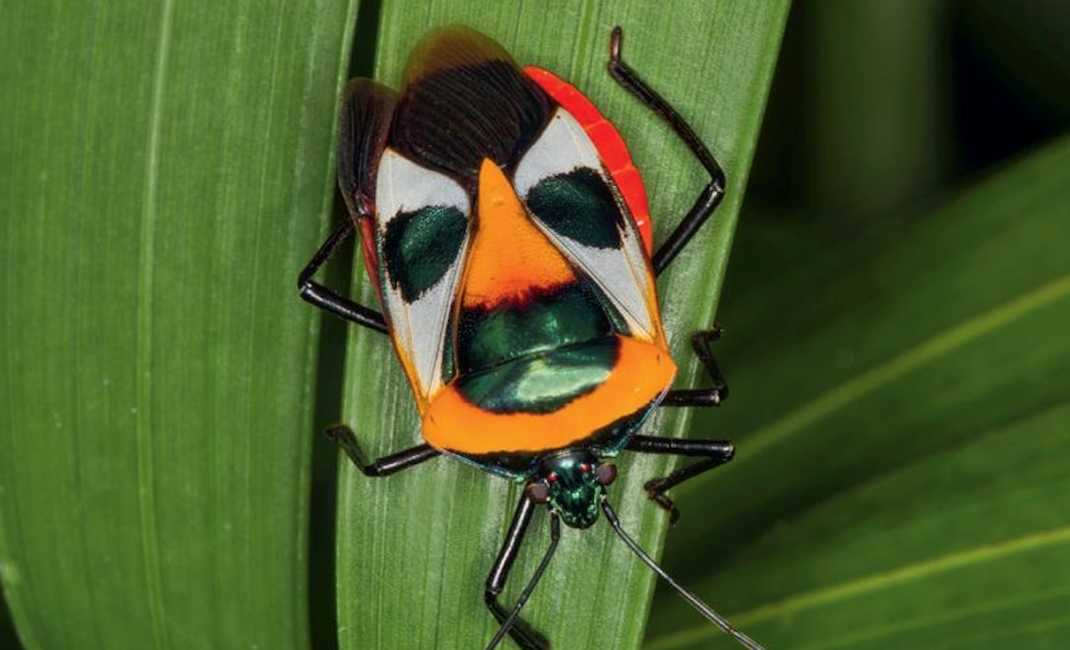
Catacanthus incarnatus: The Mesmerizing 'Human-Faced' Bug with Dazzling PatternsCatacanthus incarnatus: The Mesmerizing 'Human-Faced' Bug with Dazzling PatternsAmong stink bugs, Catacanthus incarnatus stands alone with its striking markings and uncanny mimicry of a human face. The insect’s thorax and abdomen feature a pattern resembling eyes, a nose, a mouth, and even a defined hairline, creating a surreal illusion that captivates and startles in equal measure. Its vivid red and black coloration only amplifies the effect, making it one of nature’s most extraordinary examples of mimicry.
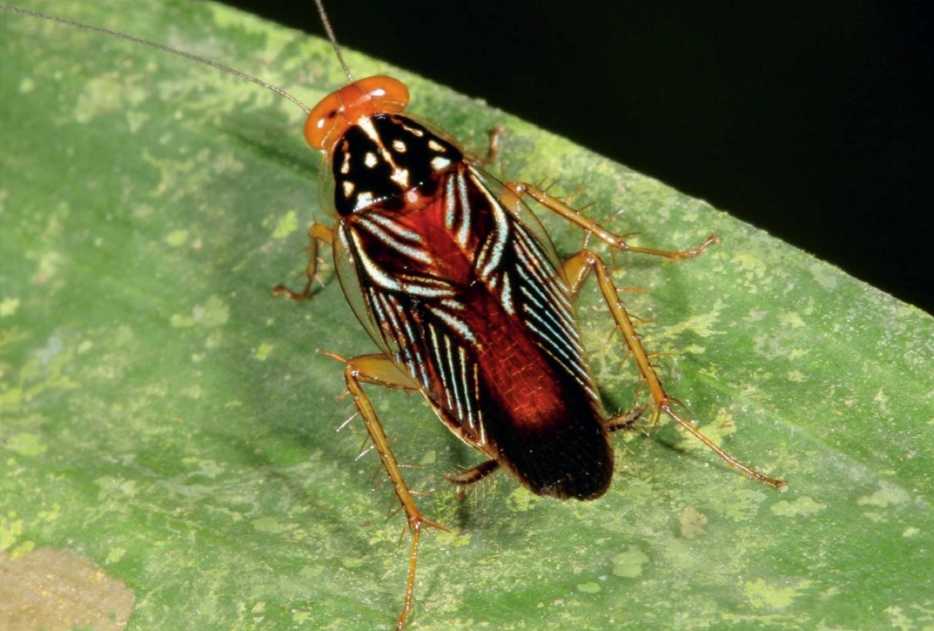
Euphyllodromia sp.: Central America's Colorful Cockroach Mimics Bees with Dazzling DeceptionEuphyllodromia sp.: Central America's Colorful Cockroach Mimics Bees with Dazzling DeceptionWhile cockroaches are typically associated with drab black or brown tones, Euphyllodromia sp. from Central America shatters this stereotype with its vibrant appearance and remarkable mimicry. This tropical cockroach has evolved to resemble local bees, boasting bold yellow and black patterns on its pronotum and wings—a design that stands as a masterclass in Batesian mimicry.
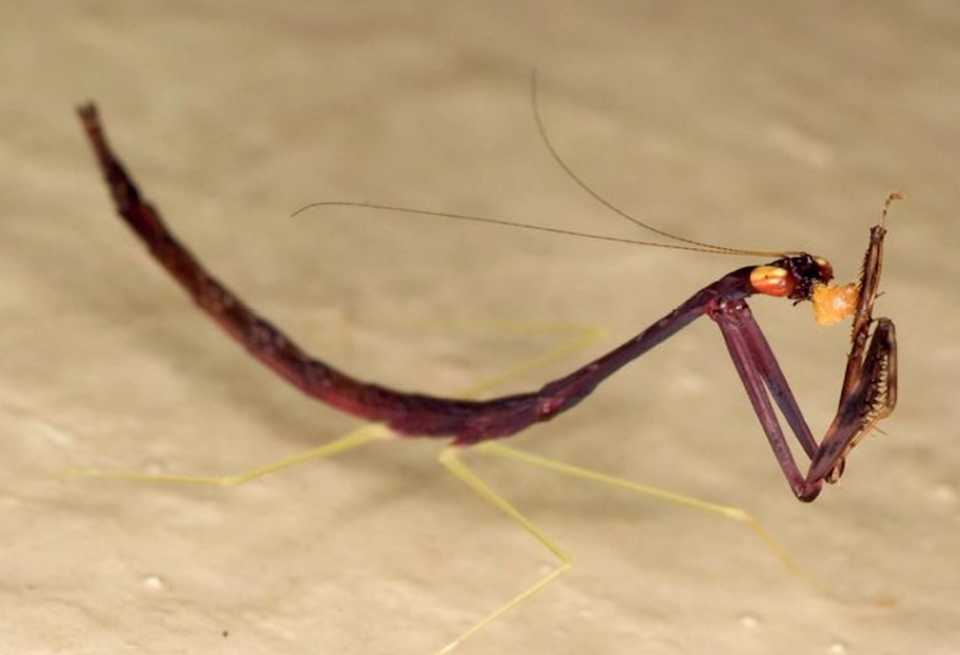
The Slender Stick Mantis of Borneo: A Peculiar Predator in the Mantid WorldThe Slender Stick Mantis of Borneo: A Peculiar Predator in the Mantid WorldFrom the rainforests of Borneo (Kalimantan Island) emerges a mantis so 纤细 (slender) it resembles a twig, standing as one of the most extraordinary members of the mantid order. With a body as thin as a bamboo shoot, this mantis has evolved an extreme morphology—its elongated legs and narrow thorax allowing it to blend seamlessly with vegetation, but also imposing strict limitations on its hunting strategy.
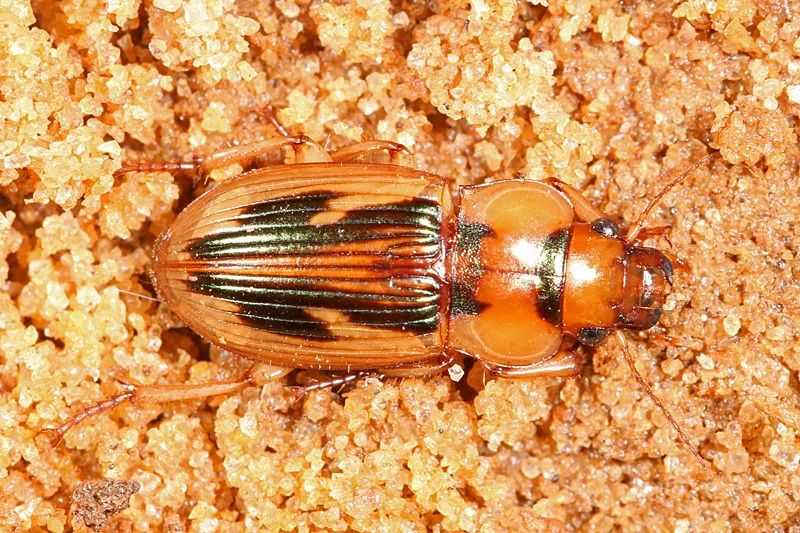
Tiger Beetles (Cicindelidae): Nature's Speed Demons and Fierce PredatorsTiger Beetles (Cicindelidae): Nature's Speed Demons and Fierce PredatorsTiger beetles, members of the family Cicindelidae, are renowned for their dazzling iridescence, aggressive predatory behavior, and unmatched speed—making them some of the most captivating insects in the animal kingdom. These beetles combine stunning aesthetics with remarkable adaptations, thriving in diverse habitats from sandy beaches to forest floors.
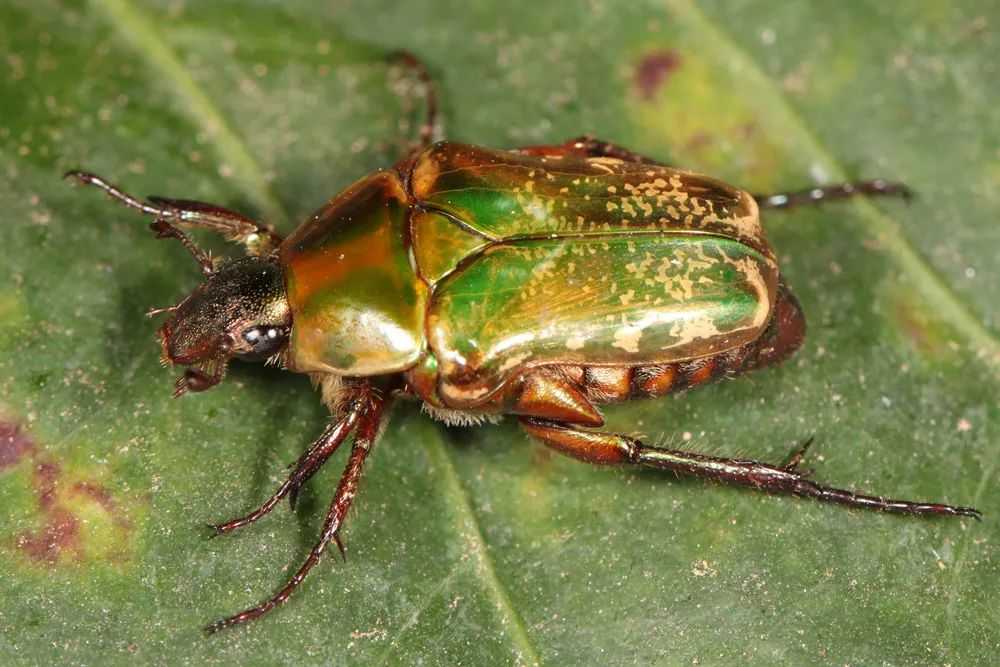
Scarab Beetles (Scarabaeidae): Jewels of the Insect WorldScarab Beetles (Scarabaeidae): Jewels of the Insect WorldScarab beetles, comprising the family Scarabaeidae, are a diverse group of coleopterans renowned for their often iridescent exoskeletons, distinctive morphology, and ecological significance. With over 30,000 species worldwide, they inhabit almost every terrestrial ecosystem, from deserts to rainforests.
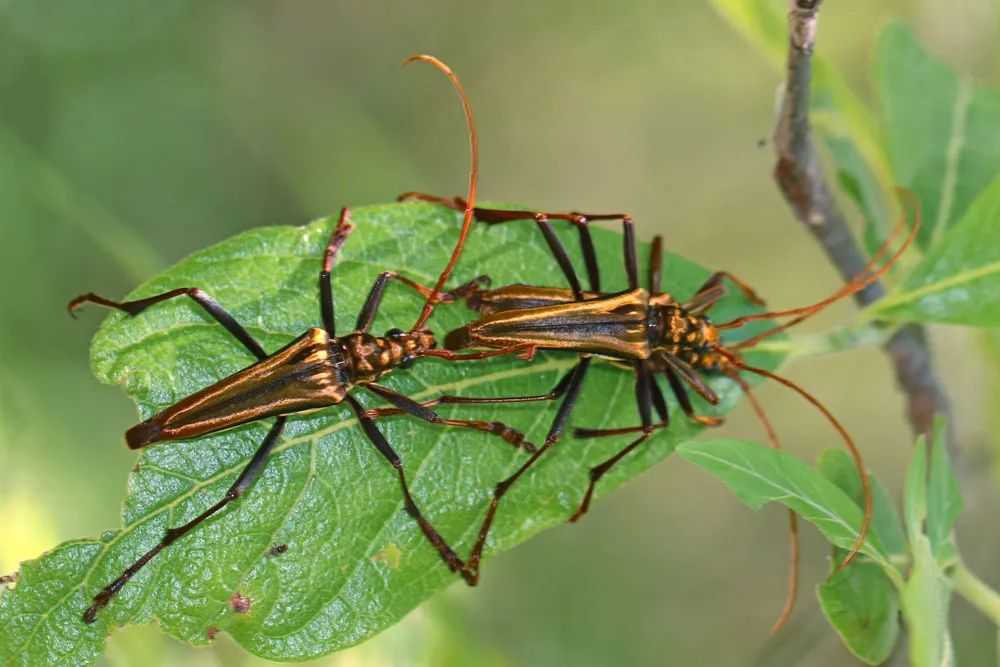
Longhorn Beetles: Elegant Forest Dwellers with a Dual ReputationLonghorn Beetles: Elegant Forest Dwellers with a Dual ReputationLonghorn beetles, belonging to the Cerambycidae family, are renowned for their striking appearance and elongated antennae, which often exceed the length of their bodies. With over 35,000 species worldwide, these insects are a common sight in forests and wooded areas, captivating onlookers with their intricate patterns and vibrant colors. Yet, beneath their aesthetic appeal lies a complex ecological role that marks them both as vital decomposers and significant agricultural pests.
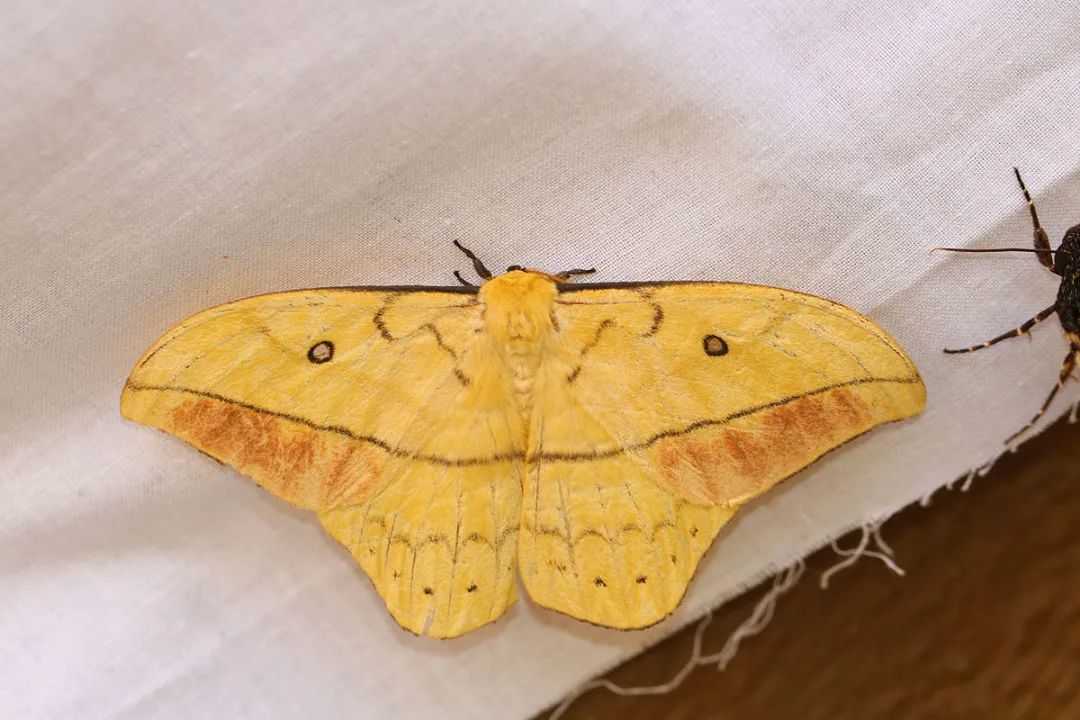
Lepidoptera: The Winged Wonders Shaping Ecosystems and Cultural ImaginationLepidoptera: The Winged Wonders Shaping Ecosystems and Cultural ImaginationLepidoptera, an order encompassing butterflies and moths, enchants with its unparalleled diversity and ethereal beauty. With over 180,000 known species worldwide, these insects captivate through their intricately patterned wings, formed by countless overlapping scales. From the vibrant Monarch butterflies migrating across continents to the nocturnal moths camouflaged against tree bark, Lepidoptera's ecological and cultural significance is as vast as their wingspans.
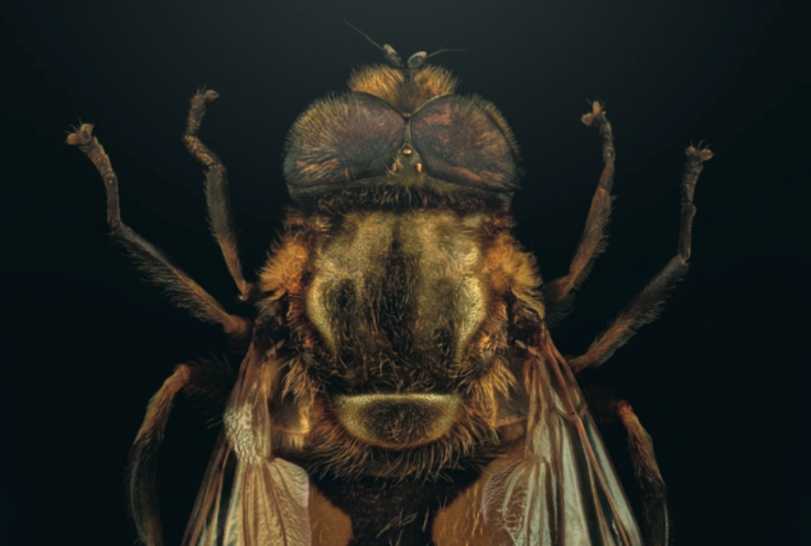
The Mysterious Decline of Blera fallax in North AmericaThe Mysterious Decline of Blera fallax in North AmericaOnce a common sight across the northern reaches of North America, the hoverfly species Blera fallax, also known as the pine hoverfly, has now nearly vanished from the region. This decline is not only a loss for the continent's biodiversity but also a cause for concern among entomologists and conservationists.
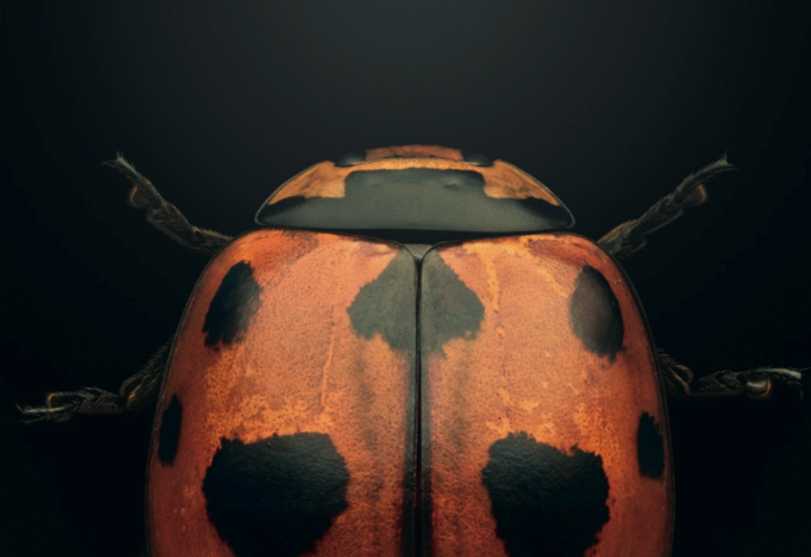
The Mysterious Disappearance of the Nine-Spotted LadybugThe Mysterious Disappearance of the Nine-Spotted LadybugThe nine-spotted ladybug, Coccinella novemnotata, once held a place of prominence across North America. In the United States, it was even designated as the official insect of New York State, symbolizing its significance. This species was once widespread throughout the US and Canada, playing a crucial role in the agricultural ecosystem. Famously, it was a voracious predator of aphids and other pest insects, acting as a natural form of pest control and helping farmers safeguard their crops without the heavy use of pesticides.