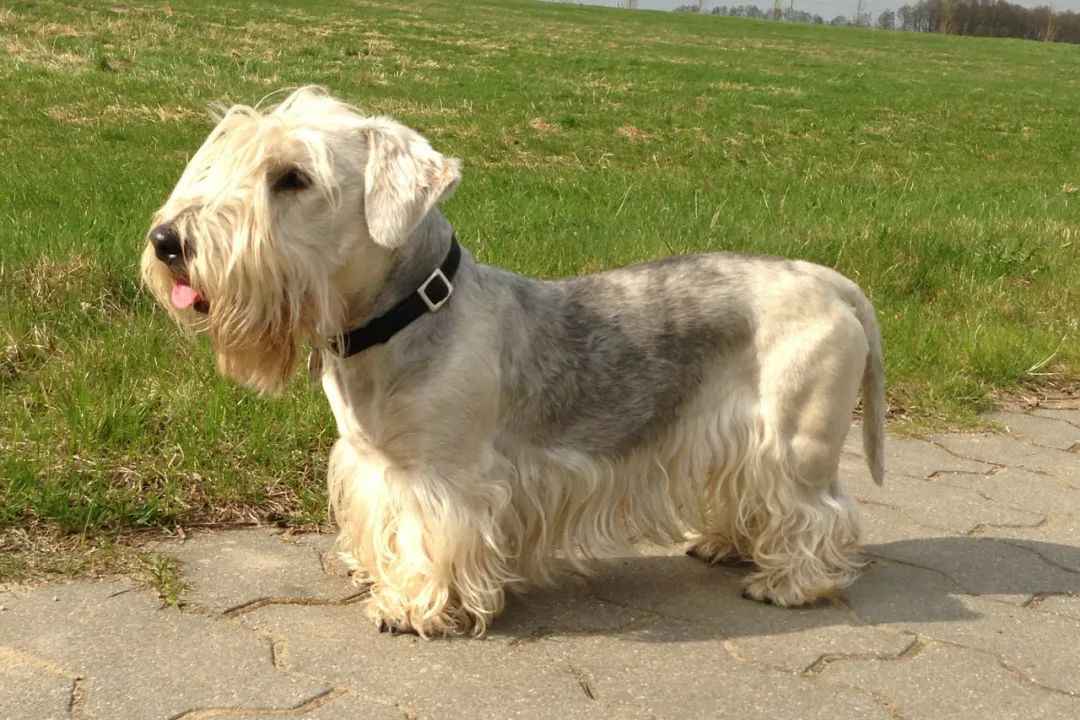
Czechoslovakian Terrier: A Loyal Companion with a Rich HistorCzechoslovakian Terrier: A Loyal Companion with a Rich Histor
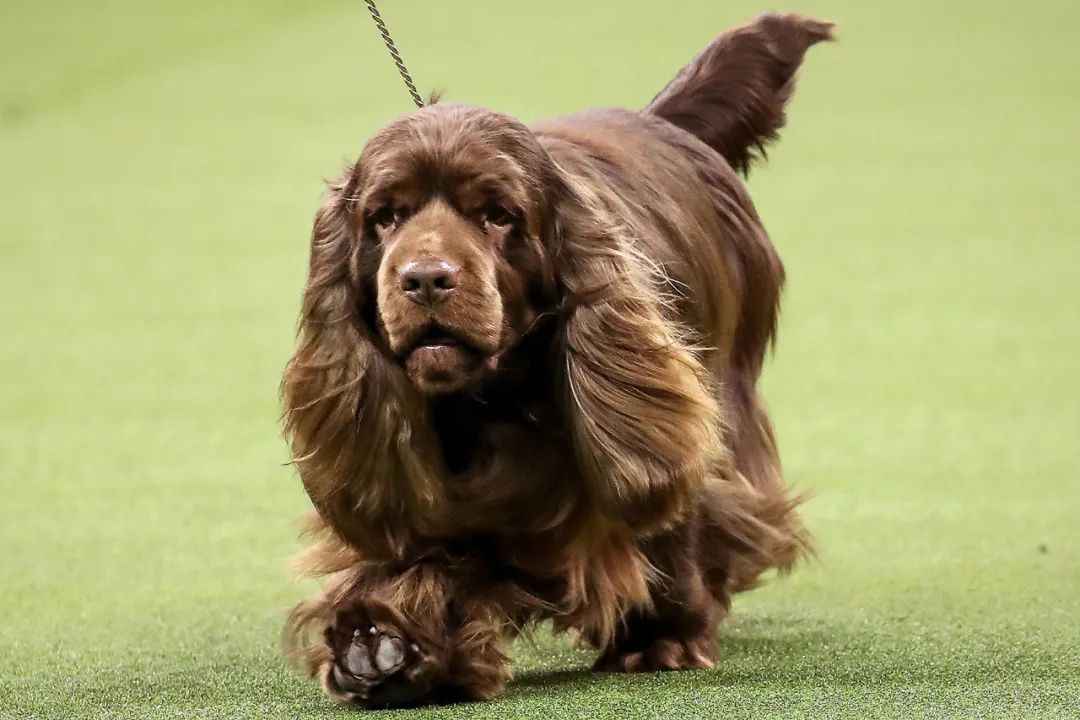
Sussex Spaniel: A Gentle Sporting Dog with a Rich History and Recent Championship GlorySussex Spaniel: A Gentle Sporting Dog with a Rich History and Recent Championship Glory
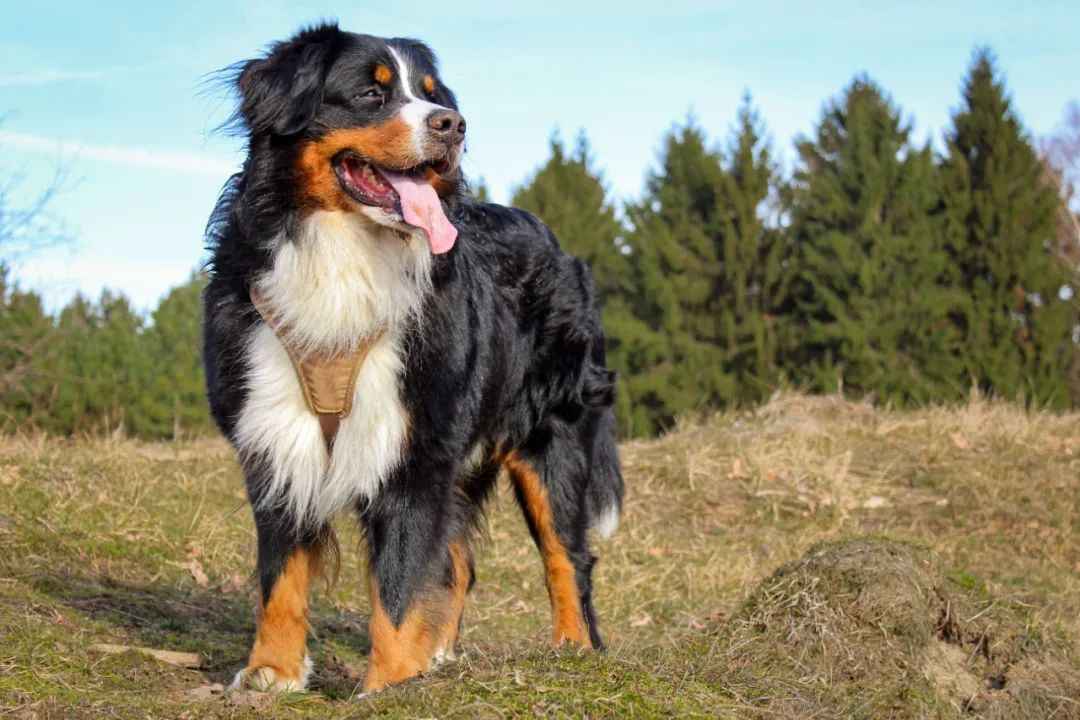
The Majestic Bernese Mountain Dog: A Blend of Brawn and TendernessThe Majestic Bernese Mountain Dog: A Blend of Brawn and Tenderness
The Rise and Fall of the Harrier Jump Jet: A Legacy of Innovation and WarfareThe Rise and Fall of the Harrier Jump Jet: A Legacy of Innovation and Warfare
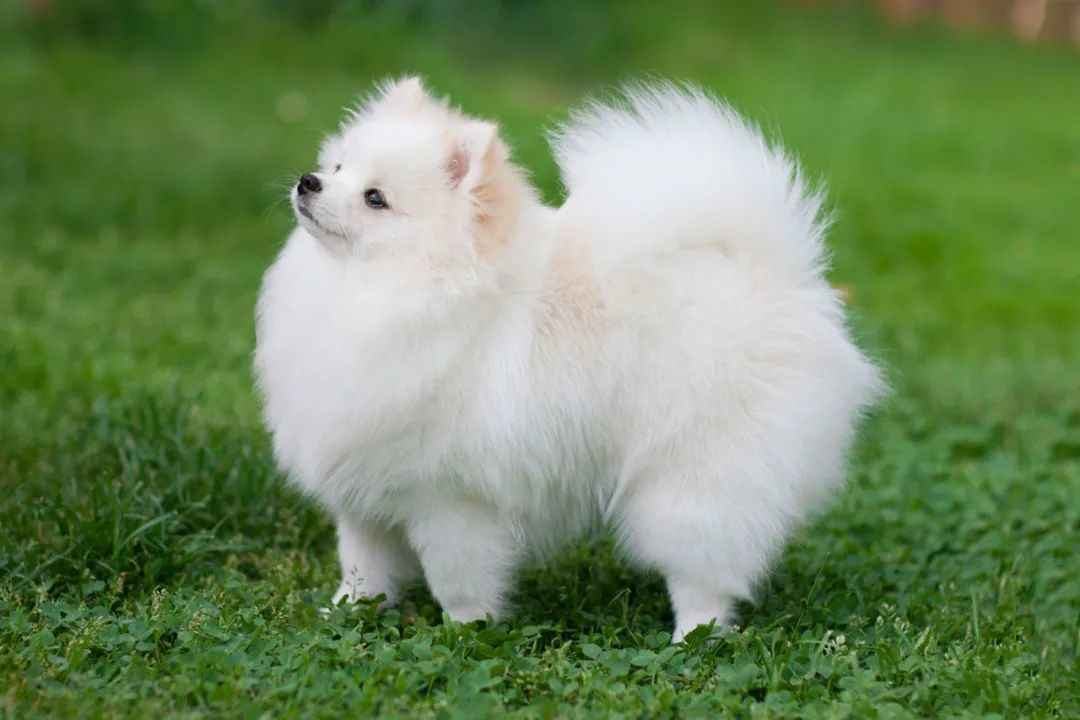
History, Characteristics, Care Tips, and Why They’re a Top Choice for Pet Owners WorldwideHistory, Characteristics, Care Tips, and Why They’re a Top Choice for Pet Owners WorldwidePomeranians, affectionately known as "Poms," are small yet spirited dogs that have captured hearts globally. Originating from the Pomerania region in Germany , these fluffy companions were initially larger working dogs but were selectively bred in the 19th century to achieve their iconic petite size, with Queen Victoria’s influence significantly boosting their popularity . Today, they stand at 8-11 inches tall and weigh 3-7 pounds, featuring a dense double coat in colors ranging from orange to blue
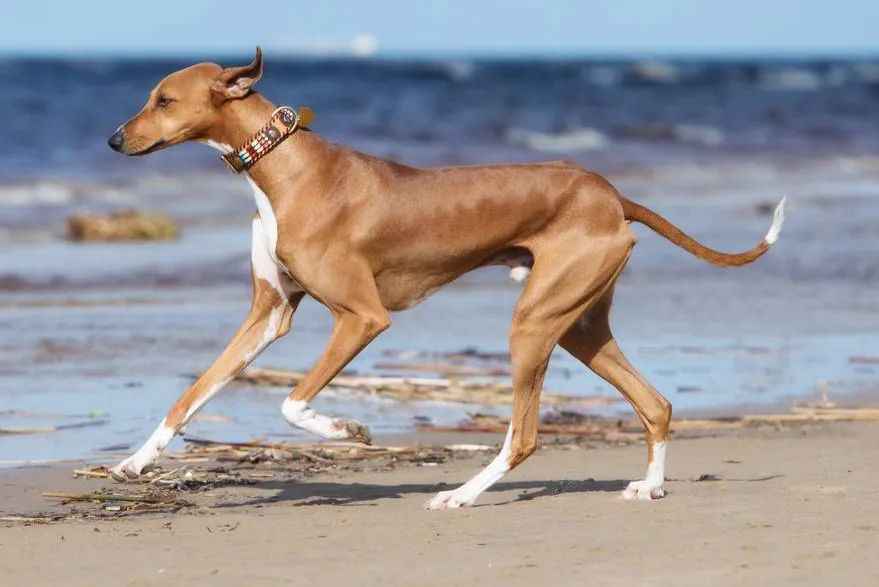
The Azawakh: A Timeless Guardian of the West African DesertThe Azawakh: A Timeless Guardian of the West African DesertThe Azawakh, an ancient sighthound breed from the Sahel region of West Africa, has captivated the world with its elegance and resilience. Named after the Azawakh Valley between Mali and Niger, this breed has accompanied the Tuareg nomads for millennia, serving as a hunter, guardian, and loyal companion315. With a streamlined physique and long legs, the Azawakh can reach speeds of up to 60 km/h, making it a formidable predator of gazelles and hares in the harsh desert terrain312. Its short, fine coat, ranging from golden to red or white, reflects the Saharan sun and adapts seamlessly to extreme
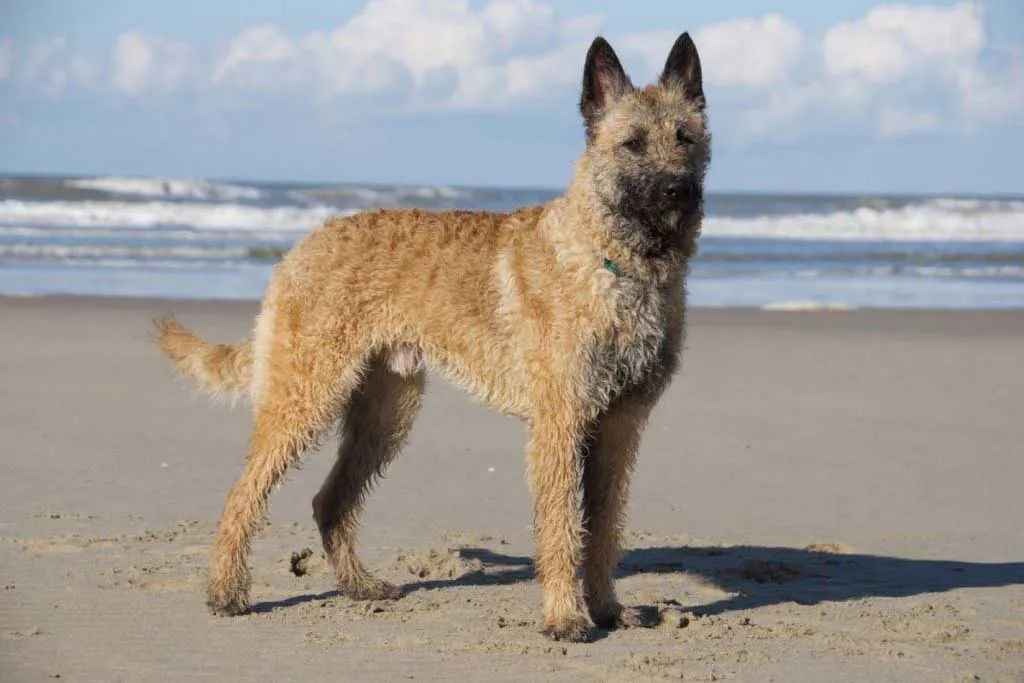
Belgian Shepherd Laekenois: The Rare and Resilient Working Dog with Royal HeritageBelgian Shepherd Laekenois: The Rare and Resilient Working Dog with Royal HeritageThe Belgian Shepherd Laekenois, one of four distinct varieties of Belgian Shepherds, stands out for its rugged coat and unwavering loyalty. Named after the Belgian town of Laeken, this breed traces its roots to the 19th century, originally developed to guard sheep and properties in Antwerp’s linen-producing regions19. Its unique history includes serving as a cherished companion to Belgium’s Queen Henrietta, solidifying its reputation as a versatile and regal working dog1.
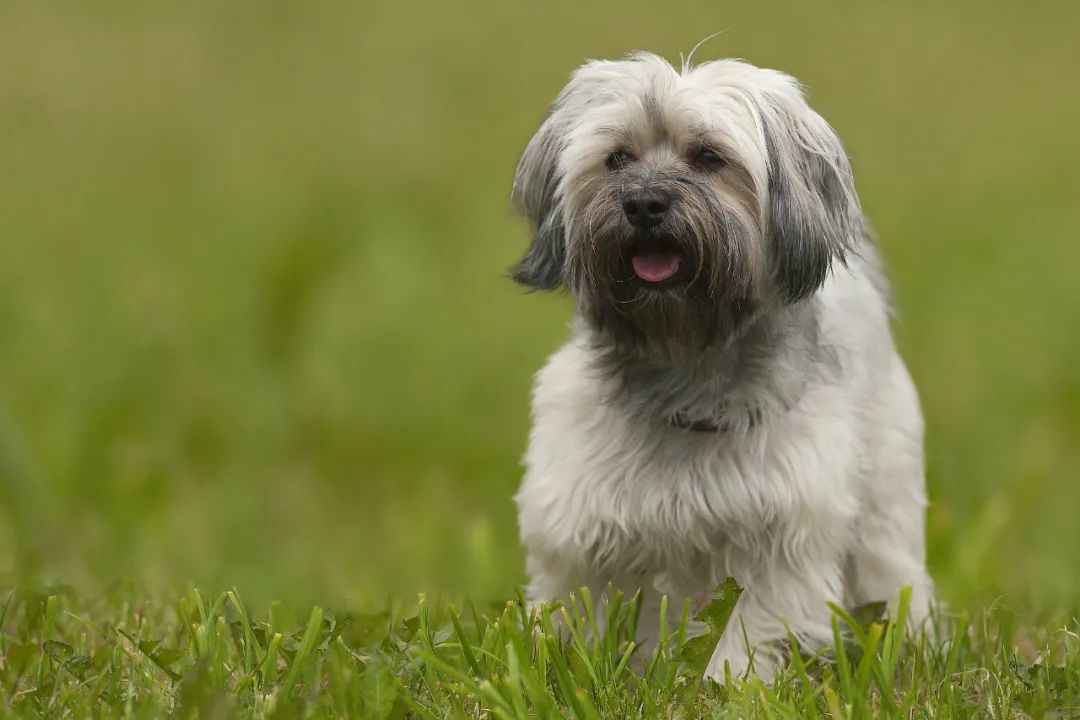
A Journey of Resilience and Charm Across CenturiesA Journey of Resilience and Charm Across CenturiesHavana, Cuba’s vibrant capital, is not only renowned for its colonial architecture and rum distilleries but also as the birthplace of the Havanese, a breed that embodies Cuba’s rich cultural tapestry. Originating from Spanish and French companion dogs brought to the island in the 18th century, the Havanese evolved into Cuba’s only native purebred dog, cherished for its silky coat and affectionate nature
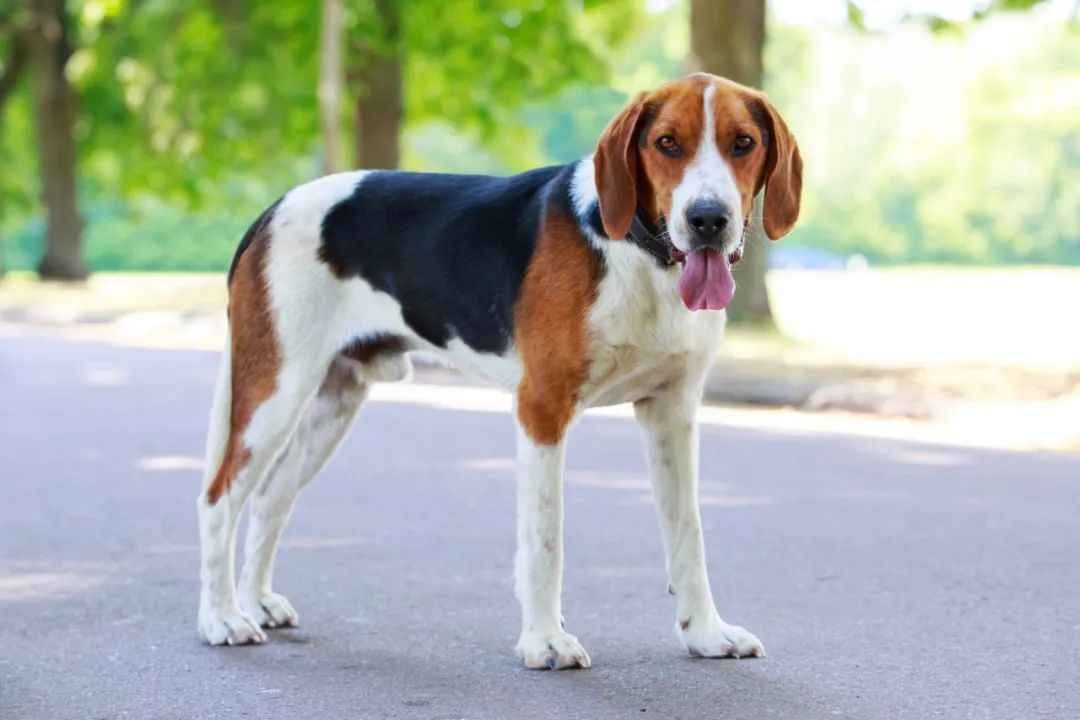
American Foxhound: A Legacy of Speed, Skill, and LoyaltyAmerican Foxhound: A Legacy of Speed, Skill, and LoyaltyThe American Foxhound, a breed deeply rooted in American history, embodies the perfect blend of athleticism, intelligence, and companionship. Developed in the 18th century through careful crossbreeding of English and French foxhounds by figures like George Washington, this breed was specifically crafted to hunt the swift American red fox12. Today, it stands as Virginia’s official state dog, celebrated for its rich heritage and distinctive traits.
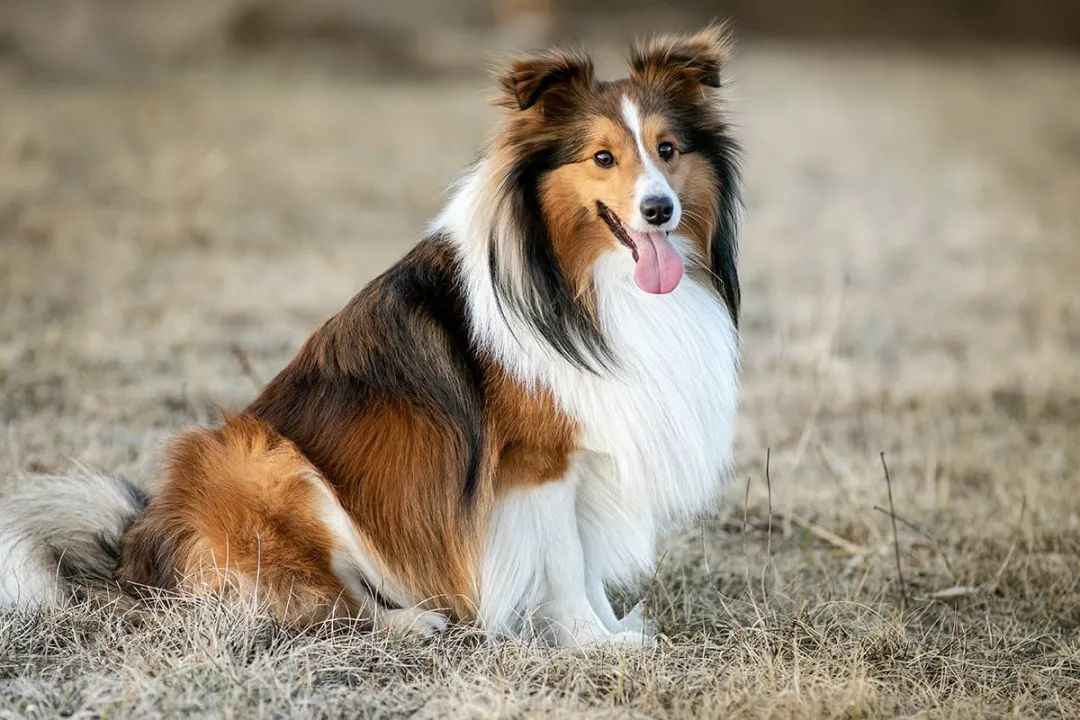
Adorable Shetland Sheepdog: A Complete Guide to This Loyal BreedAdorable Shetland Sheepdog: A Complete Guide to This Loyal BreedThe Shetland Sheepdog, affectionately known as the "Sheltie," is a captivating breed with a rich history and endearing characteristics. Originating from the rugged Shetland Islands off the coast of Scotland, these small herding dogs were initially bred to manage sheep and livestock in harsh climates 34. Their lineage includes crosses with Scandinavian Spitz breeds and Scottish collies, resulting in a compact yet hardy dog with exceptional intelligence and agility 9.
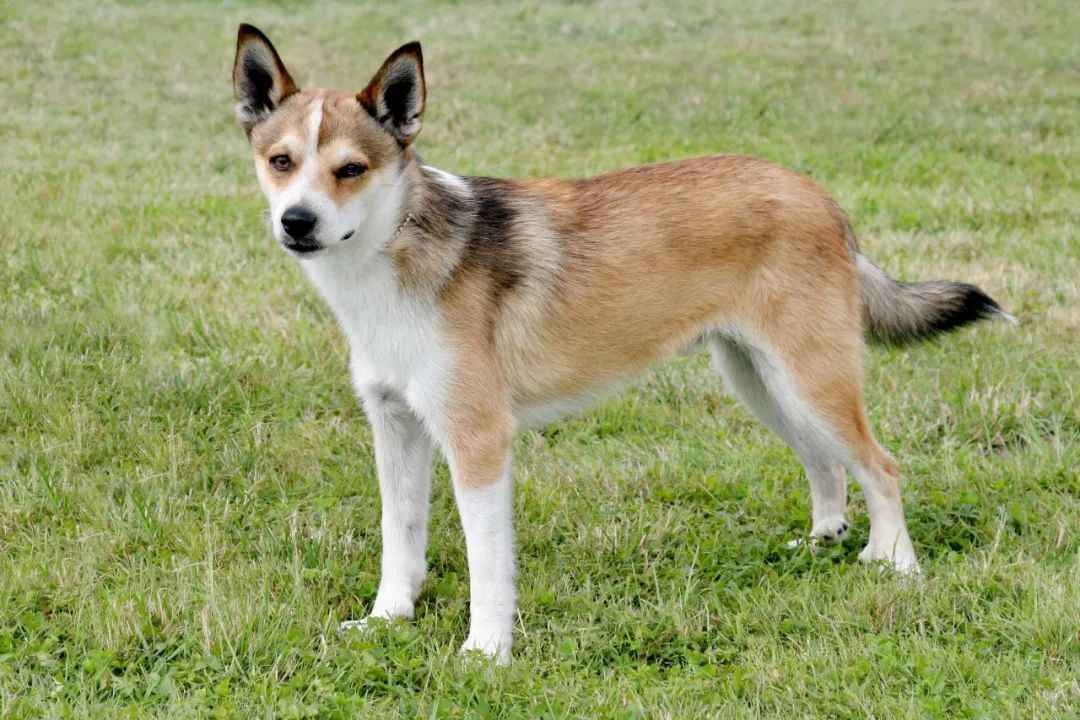
Rare Norwegian Lundehund: A Living Fossil of the ArcticRare Norwegian Lundehund: A Living Fossil of the ArcticThe Norwegian Lundehund, a small Spitz-type dog with origins dating back to the 16th century, is a marvel of evolutionary adaptation. Nicknamed the "puffin dog," this breed’s unique physiology—including six toes, foldable ears, and extraordinary flexibility—made it a legendary hunter of seabirds on Norway’s steep coastal cliffs. Today, with fewer than 3,000 individuals globally, the Lundehund stands as a symbol of resilience and conservation urgency.
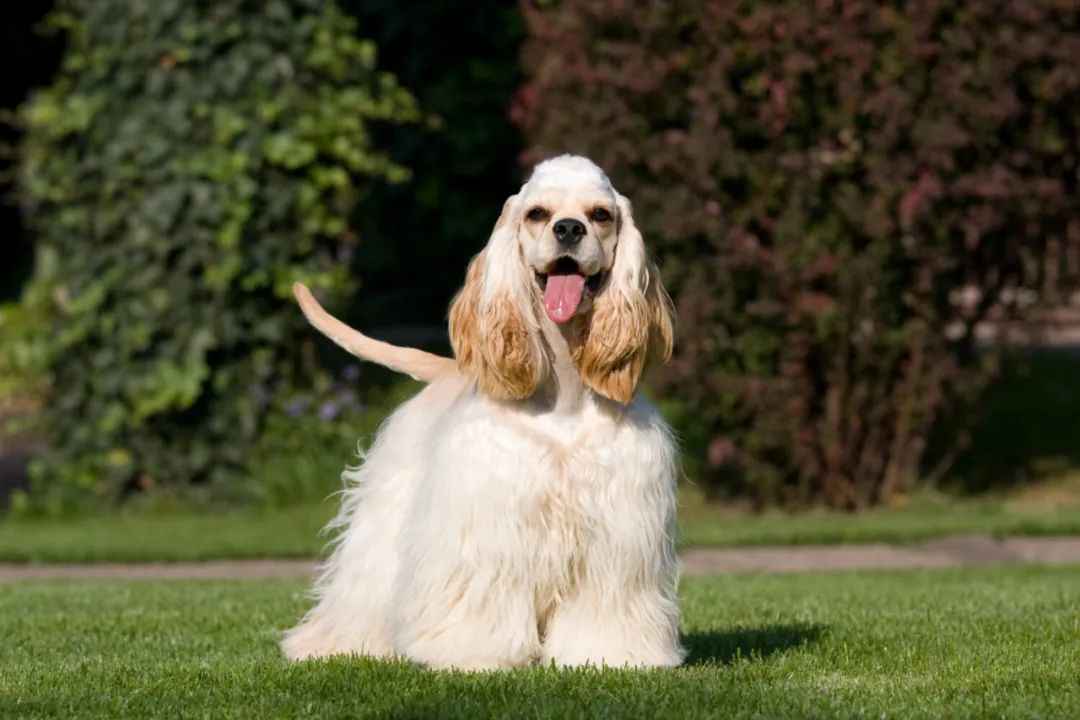
American Cocker Spaniel: The Adored Sporting Dog with a Loyal HeartAmerican Cocker Spaniel: The Adored Sporting Dog with a Loyal HeartThe American Cocker Spaniel, a beloved breed cherished for its affectionate nature and elegant appearance, has captured the hearts of dog lovers worldwide. Originating from the English Cocker Spaniel, this breed was selectively bred in the United States during the 19th century to emphasize smaller size and a more refined look, making it a versatile companion and skilled hunting dog
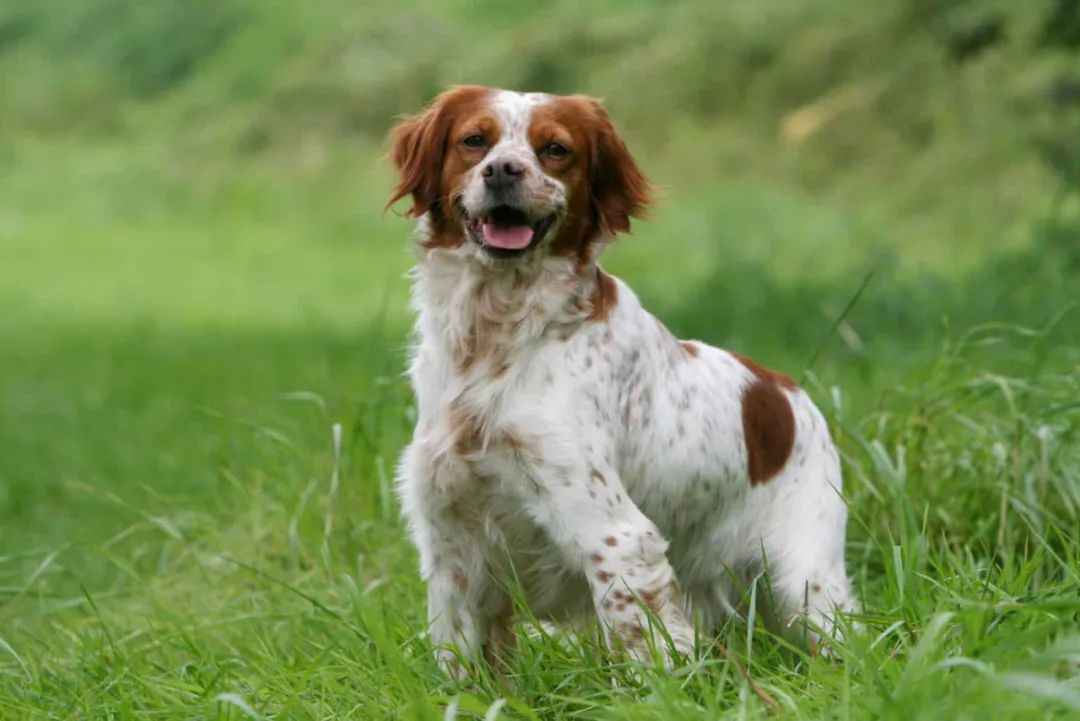
Epagneul Breton: A French Icon of Grace and Sporting ExcellenceEpagneul Breton: A French Icon of Grace and Sporting ExcellenceThe Epagneul Breton, or Brittany Spaniel, stands as a testament to France’s rich heritage of sporting dog breeds. Originating from the Brittany region, this breed traces its roots to medieval times, where it was developed by farmers and hunters to excel in rugged terrains for bird hunting. The first officially registered Epagneul Breton, named "Le Garçon," emerged in 1907, marking the breed’s formal recognition. It was later acknowledged by the American Kennel Club (AKC) in 1934 and renamed "Brittany" in 1982
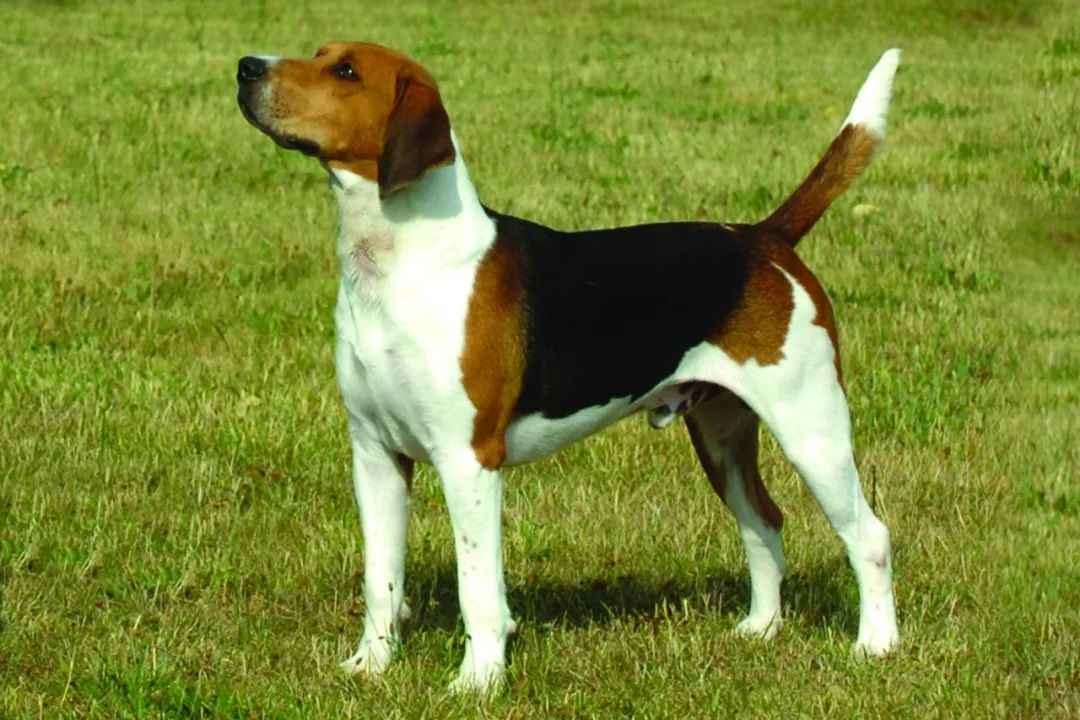
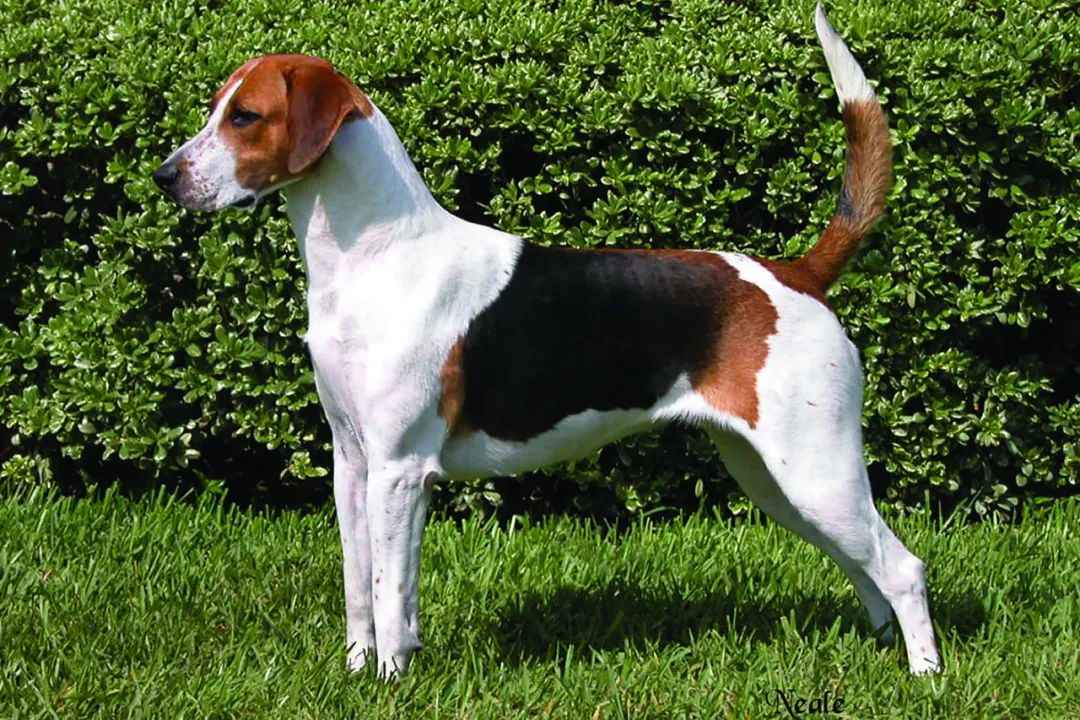
The English Foxhound: A Timeless Guardian of Heritage and ModernityThe English Foxhound: A Timeless Guardian of Heritage and ModernityThe English Foxhound, an enduring symbol of British countryside culture, traces its origins to the 16th century, meticulously bred by British nobility for fox hunting518. This breed embodies a unique blend of Greyhound speed, Bloodhound scenting prowess, and Staghound endurance, tailored for the demands of the chase519.
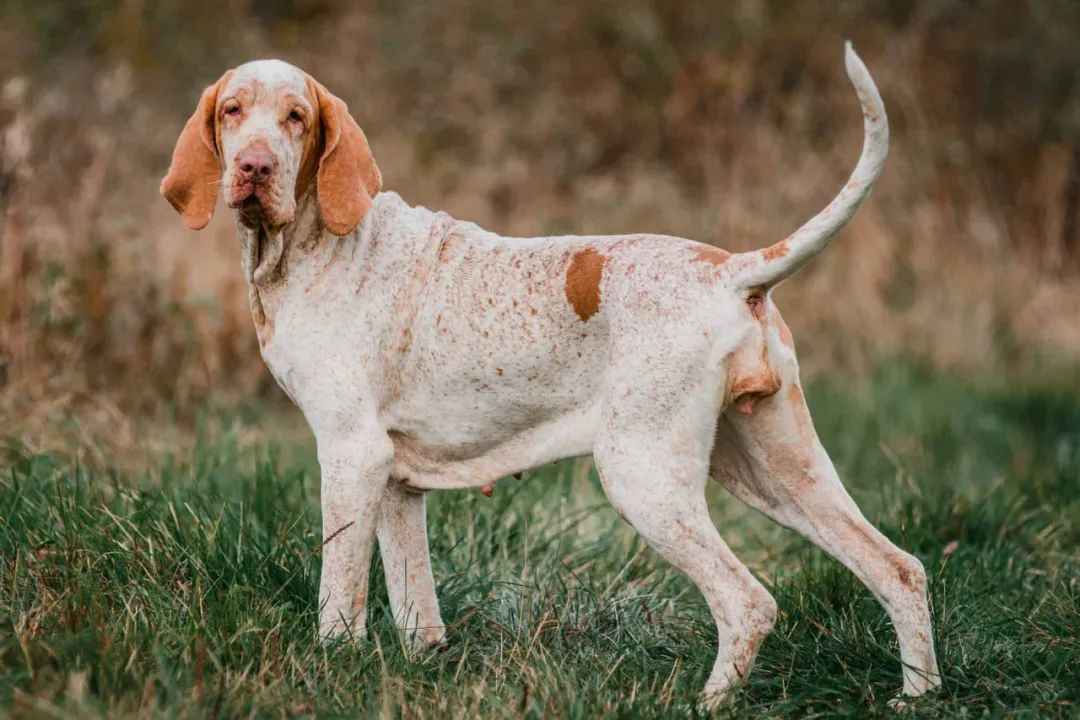
Bracco Italiano: The Timeless Guardian of Italy’s Hunting LegacyBracco Italiano: The Timeless Guardian of Italy’s Hunting LegacyThe Bracco Italiano, one of Europe’s oldest pointing dog breeds, traces its origins back to the 4th–5th century BCE46. Developed in northern Italy through crosses between Segugio Italiano hounds and Asiatic mastiffs, this versatile breed excels in tracking, pointing, and retrieving game37. Revered by Renaissance nobility like the Medici family, it was prized as a diplomatic gift and spread across Europe before facing near-extinction in the 19th century. Thanks to dedicated Italian breeders, the Bracco was revived mid-20th century and gained full AKC recognition in 2022 as a Sporting Group memb
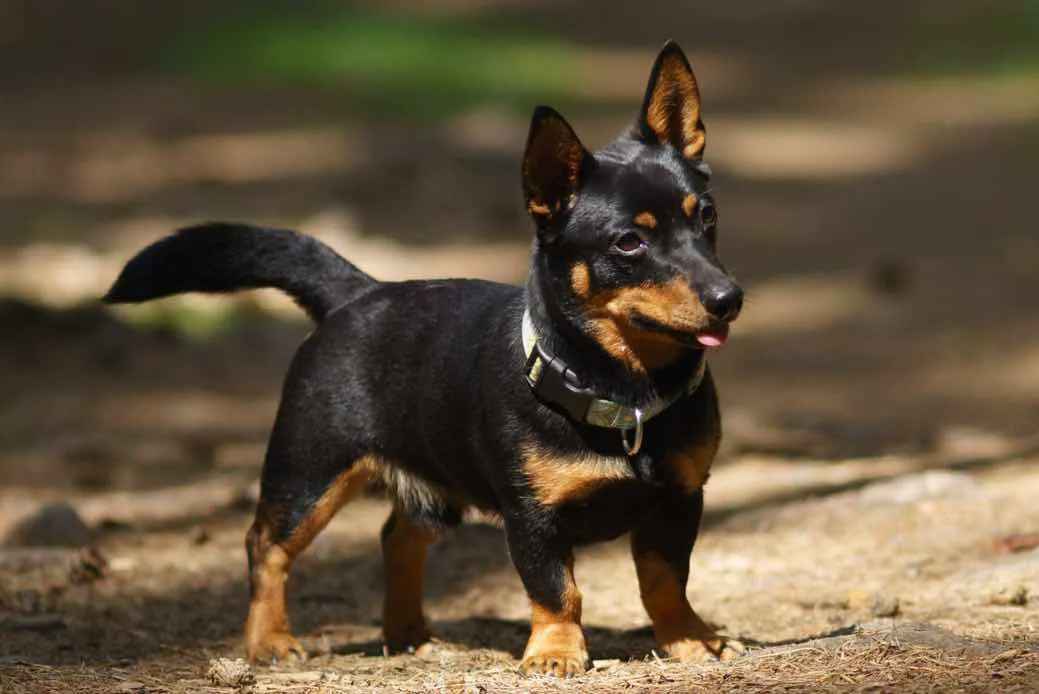
Lancashire Heeler: The Resilient Herding Dog with a Storied PastLancashire Heeler: The Resilient Herding Dog with a Storied PastThe Lancashire Heeler, a diminutive yet spirited breed hailing from England’s Lancashire region, has gained international attention since its 2024 recognition by the American Kennel Club (AKC) as the 201st official breed 45. Revered for its agility and intelligence, this "smallest drover in the world" has evolved from a versatile farmhand to a cherished companion, captivating dog enthusiasts with its unique blend of history and charm.
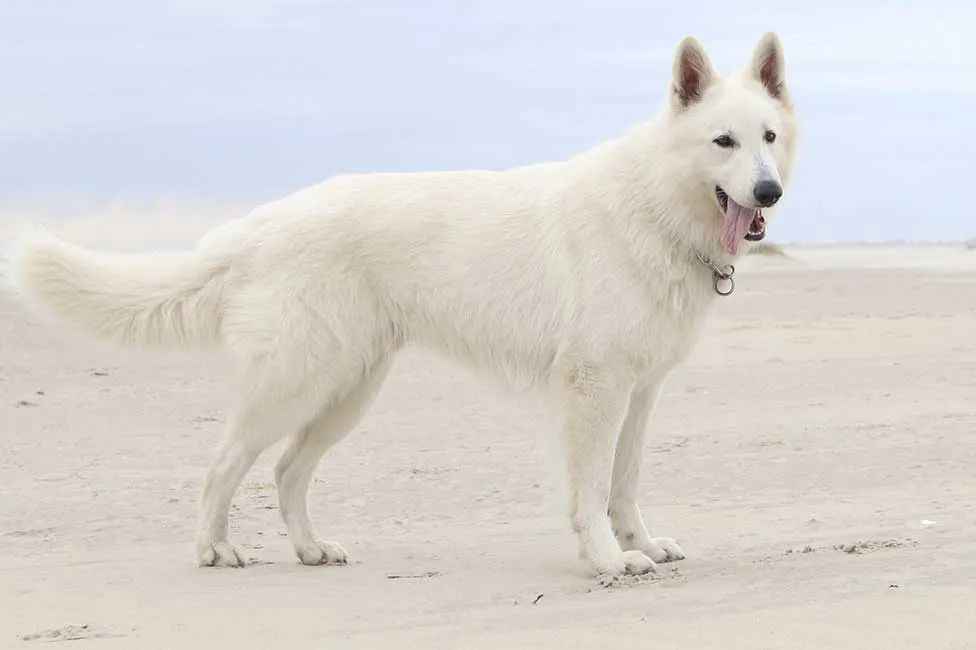
American White Shepherd: The Perfect Blend of Elegance and LoyaltyAmerican White Shepherd: The Perfect Blend of Elegance and LoyaltyOriginating in the early 20th century, the American White Shepherd traces its lineage to the German Shepherd. Due to a recessive white coat gene, these dogs were long considered "flawed" in Germany and systematically culled from breeding programs12. However, North American breeders recognized their unique appeal and selectively developed them into a distinct breed, officially acknowledged by the United Kennel Club (UKC) in 199917
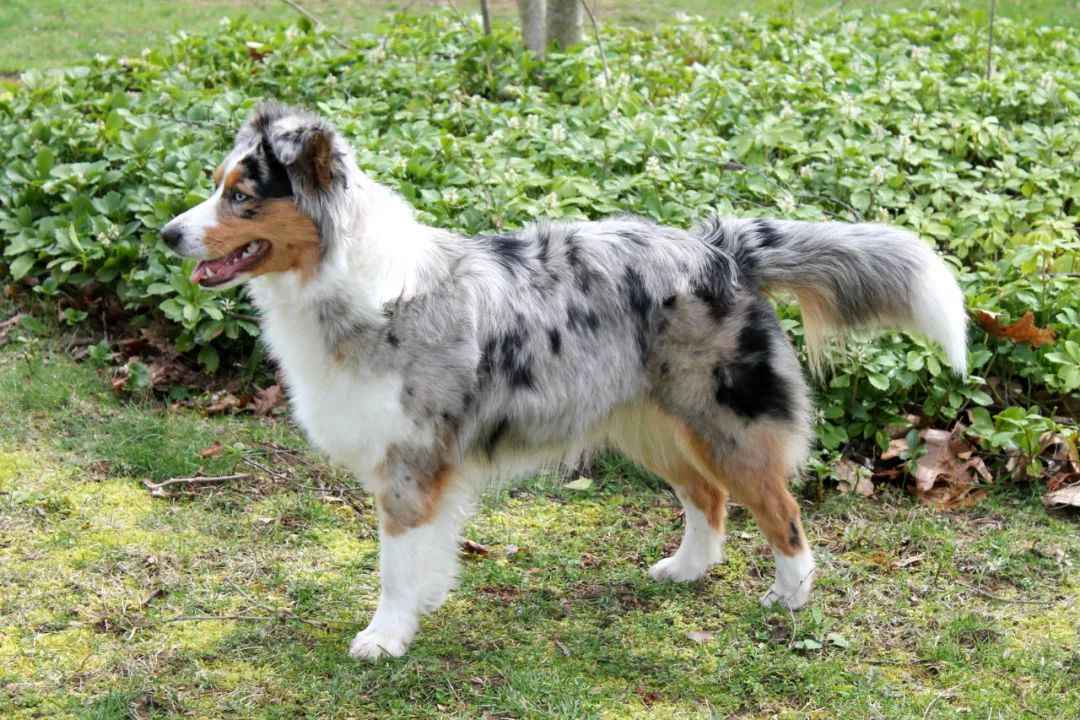
Miniature American Shepherd: The Intelligent and Loyal All-Round CompanionMiniature American Shepherd: The Intelligent and Loyal All-Round CompanionThe Miniature American Shepherd, originating in the United States during the 1960s, was developed by selectively breeding smaller Australian Shepherds to create a compact herding dog suitable for both ranch work and family life. Initially known as the "Miniature Australian Shepherd," the breed was officially recognized by the American Kennel Club (AKC) in 2015 under its current name. These dogs stand 13 to 18 inches tall at the shoulder and weigh 20 to 40 pounds, featuring a medium-length double coat in colors such as black, blue merle, red, and red merle, often with white or tan markings
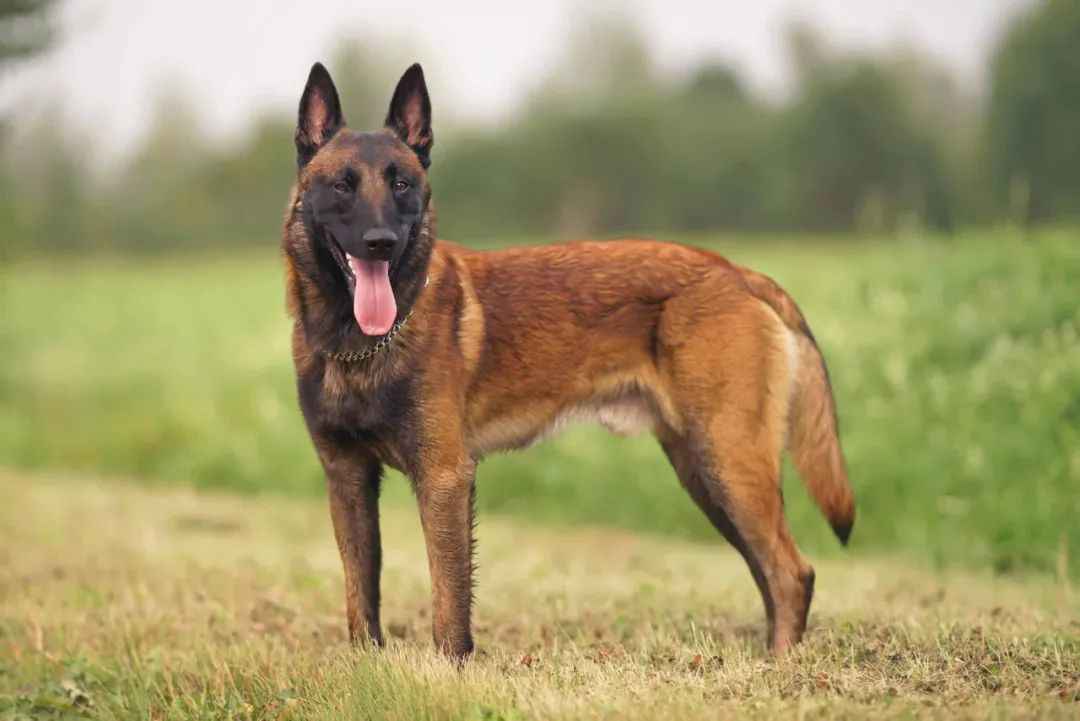
The Elite Working Dog Shaping Modern Law Enforcement and Military OperationsThe Elite Working Dog Shaping Modern Law Enforcement and Military OperationsThe Belgian Malinois, also known as the Belgian Shepherd Dog, is the only short-haired variety among the four types of Belgian Shepherds. Originating from the Malines region of Belgium in the 19th century, this breed has earned global recognition for its exceptional working capabilities13. Physically, the Malinois is a medium-sized dog with a muscular build, weighing between 25-30 kg and standing 56-66 cm tall. Its short, dense coat ranges from fawn to mahogany, with black facial masks and ears, giving it a distinctive and imposing appearance12. Renowned for its police and military prowess,
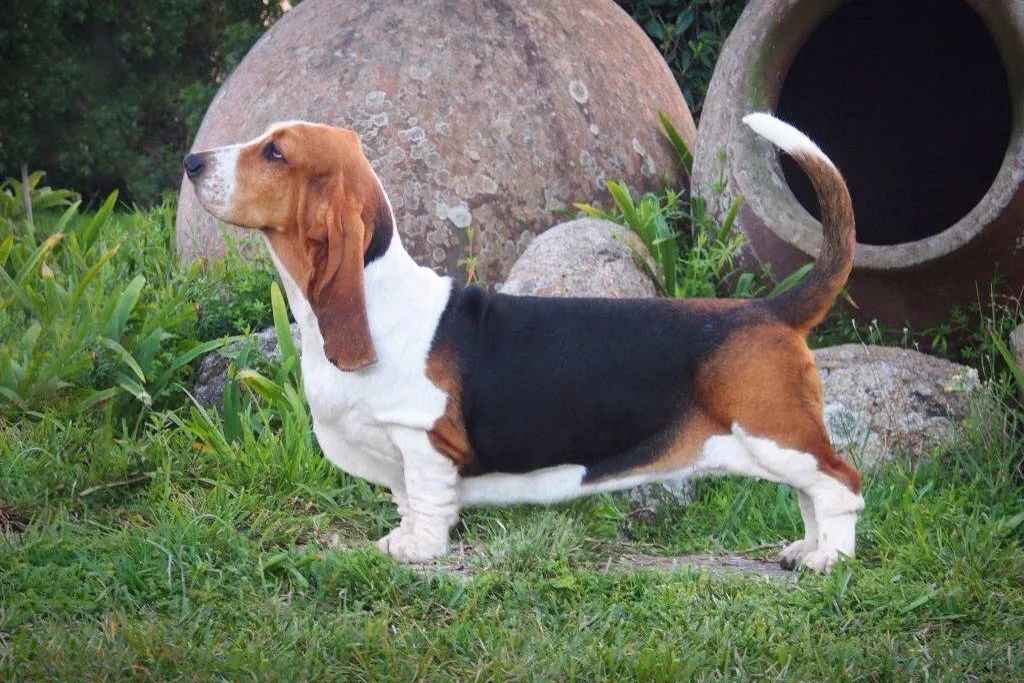
Loyal Companions and Family Guardians: The Unique Allure of Basset HoundsLoyal Companions and Family Guardians: The Unique Allure of Basset HoundsOriginating in 16th-century France, the Basset Hound—derived from the French word "bas" meaning "low"—was selectively bred by monks for hunting small game like rabbits. Their short legs, elongated ears, and loose skin evolved to trap scents close to the ground, making them exceptional trackers 113. By the 19th century, the breed gained popularity in Britain and the U.S., with George Washington receiving a pair as a gift after the American Revolution 114. Recognized by the American Kennel Club (AKC) in 1885, Bassets became beloved family pets for their gentle demeanor and comical appearance 13.